
 NEWS List
Electrician Fish Tapes Reviewed: Nylon vs Steel vs Polyester vs Fiberglass — Who Wins?
Introduction
The electrician tool market is filled with hundreds of fish tape cable pullers claiming to offer “professional performance,” “heavy-duty strength,” or “industrial quality.” However, many products fail in real-world applications due to poor materials, weak tensile strength, low-quality reels, or unreliable packaging.
For electricians, contractors, wholesalers, and DIY users, choosing the wrong fish tape can lead to:
Cable damage
Installation delays
Tape breakage
Safety risks
Higher long-term costs
In this 2024 review guide, we compare the most popular fish tape categories — Nylon, Polyester, Fiberglass, and Steel — and analyze which material performs best under different working conditions.
We also evaluate ten representative fish tape products using a six-dimension scoring system to help buyers avoid low-quality products and identify the best value options.
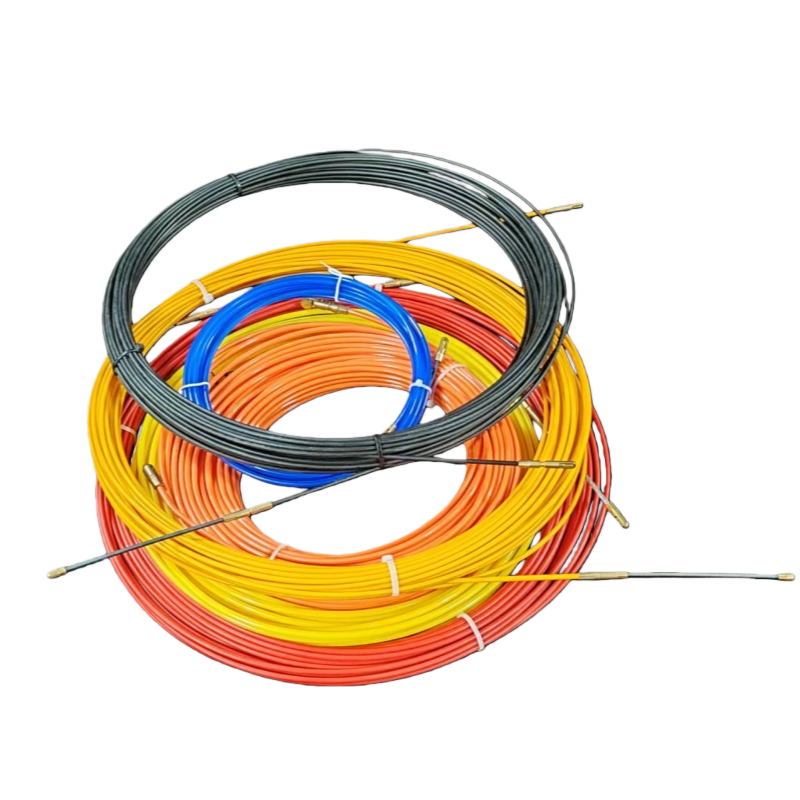
Review Criteria Overview
Each fish tape was evaluated based on six core performance dimensions.
Dimension Weight Description
Tensile Strength 20% Ability to pull heavy or multiple cables
Flexibility 15% Performance through bends and tight conduit
Wear Resistance 15% Long-term durability under repeated use
Insulation 15% Safety near live or high-voltage circuits
Portability & Storage 15% Quality of reel and in-tube design
Value for Money 20% Overall performance relative to price
Product Lineup: 10 Popular Fish Tape Types
This review covers products across four major material categories.
Nylon Fish Tapes
1.Basic Residential Nylon Fish Tape
2.Heavy-Duty Nylon Reel Fish Tape
Polyester Fish Tapes
1.Professional Polyester Fish Tape
2.Outdoor UV-Resistant Polyester Fish Tape
3.Commercial-Grade Polyester Pull Tape
Fiberglass Fish Tapes
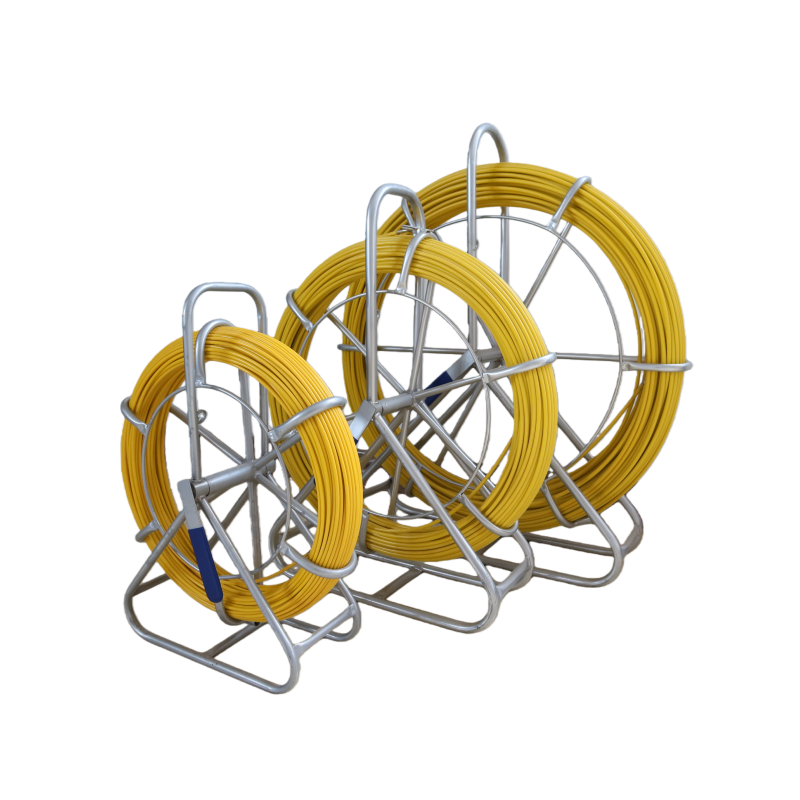
1.Insulated Fiberglass Fish Tape
2.Industrial Fiberglass Duct Rodder
Steel Fish Tapes
1.Standard Spring Steel Fish Tape
2.Flat Steel Heavy Pull Fish Tape
3.Industrial Stainless Steel Fish Tape
Price Range
Typical market pricing ranges between:
Entry level: $5–$15
Mid-range professional: $15–$30
Industrial/pro-grade: $30–$50+
Six-Dimension Scoring Comparison
Overall Performance Table
Product Type Strength Flexibility Wear Resistance Insulation Portability Value Total Score
Basic Nylon 6 9 6 8 9 9 7.8
HD Nylon 7 8 7 8 8 8 7.7
Pro Polyester 8 8 9 8 8 9 8.3
UV Polyester 8 7 9 8 8 8 8.0
Commercial Polyester 9 7 9 7 7 9 8.2
Fiberglass Tape 8 6 9 10 7 7 8.0
Fiberglass Rodder 9 5 10 10 6 7 8.1
Spring Steel 10 6 8 2 7 8 7.5
Flat Steel 10 7 9 2 6 8 7.7
Stainless Steel 10 7 10 2 7 7 7.8
Nylon Fish Tape Review
Performance Analysis
Nylon fish tape remains extremely popular for residential and light commercial wiring.
Strengths
Outstanding flexibility
Easy handling
Lightweight design
Excellent portability
Weaknesses
Limited pulling force
Lower abrasion resistance
Less suitable for long conduit runs
Ideal Users
Residential electricians
DIY users
Telecom installers
Polyester Fish Tape Review
Performance Analysis
Polyester fish tape emerged as the strongest all-around performer in 2024.
Why Polyester Scores So Well
Excellent balance of flexibility and strength
Superior wear resistance
UV and moisture resistance
Long service life
Professional electricians increasingly prefer polyester because it performs reliably in both indoor and outdoor environments.
Key Advantage
Polyester offers near-industrial durability without the weight and conductivity risks of steel.
Fiberglass Fish Tape Review
Performance Analysis
Fiberglass fish tapes dominate high-voltage and utility environments.
Major Strengths
Full electrical insulation
Excellent corrosion resistance
Strong pushing performance
Limitations
Higher price
Reduced flexibility
Can splinter if damaged
Best Use Cases
Substations
Utility projects
High-voltage electrical work
Steel Fish Tape Review
Performance Analysis
Steel fish tape remains unmatched for maximum pulling power.
Major Advantages
Highest tensile strength
Superior push force
Excellent for large conduits
Key Drawbacks
Electrically conductive
Heavier than other materials
Can damage delicate cable jackets
Best Applications
Industrial conduit systems
Main trunk cable installations
Heavy-duty commercial projects
Best Product Pick for Each Material