
 NEWS List
Ground Cable Rollers and Cable Haul Rollers: The Backbone of Heavy Duty Underground Power Cable Projects
I. Introduction
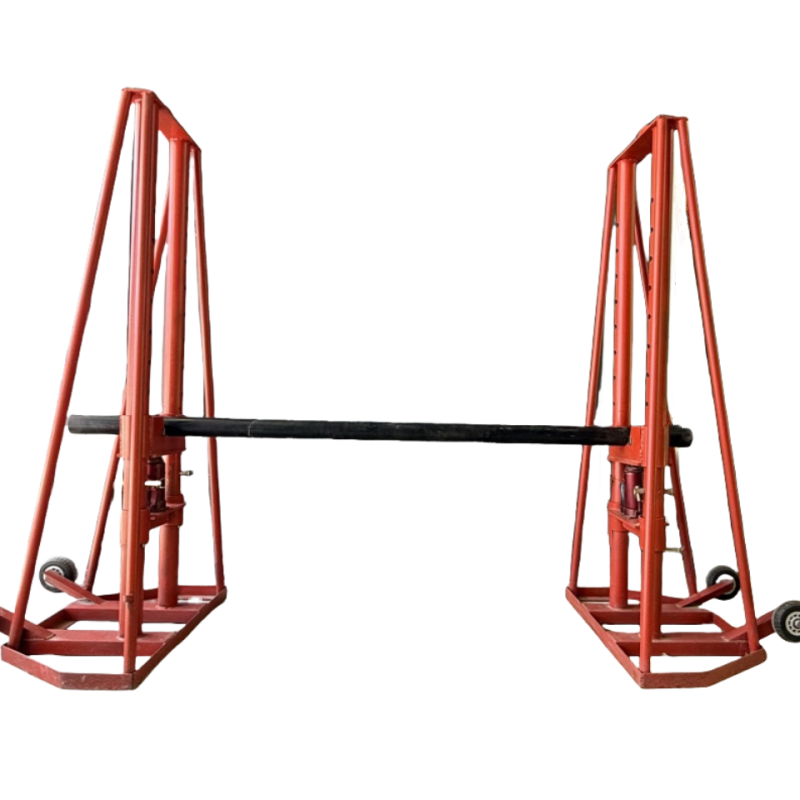
Among the most critical tools used during installation are ground cable rollers and cable haul rollers. These devices support and guide cables along the pulling route, reducing friction, protecting cable jackets, and ensuring compliance with manufacturer-recommended bending radii.
Without properly placed rollers, heavy power cables can drag across rough ground, trenches, and construction debris, resulting in sheath damage, insulation defects, and costly project delays.
This article explores the design, applications, and selection criteria for ground cable rollers and cable haul rollers used in underground electrical construction.
II. What Are Ground Cable Rollers?
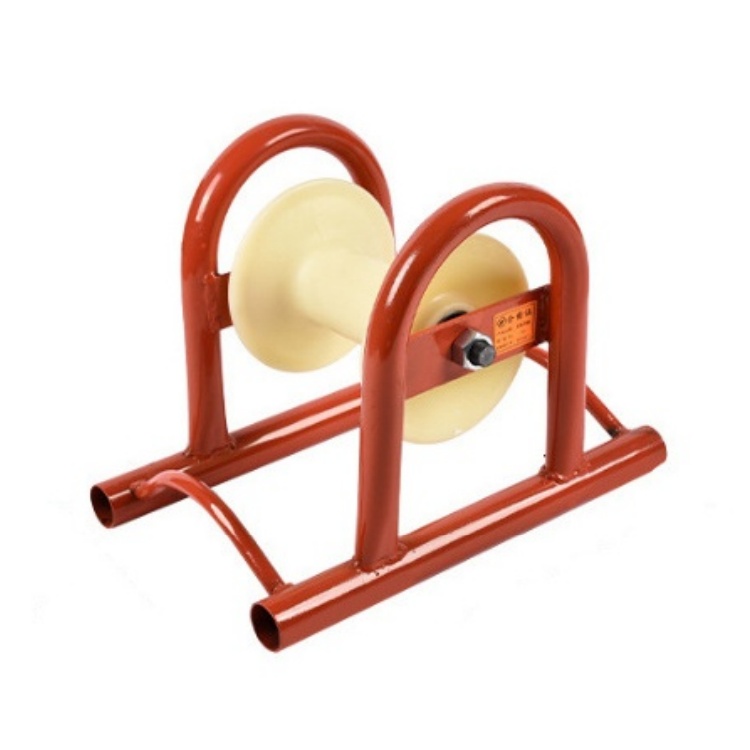
Ground cable rollers are portable cable-support devices placed directly on the ground, in trenches, or along cable routes to guide and protect cables during pulling operations.
Their main functions include:
Reducing pulling friction
Supporting cable weight
Maintaining proper cable alignment
Preventing abrasion and impact damage
Minimizing pulling tension
Key Characteristics
Ground cable rollers are typically:
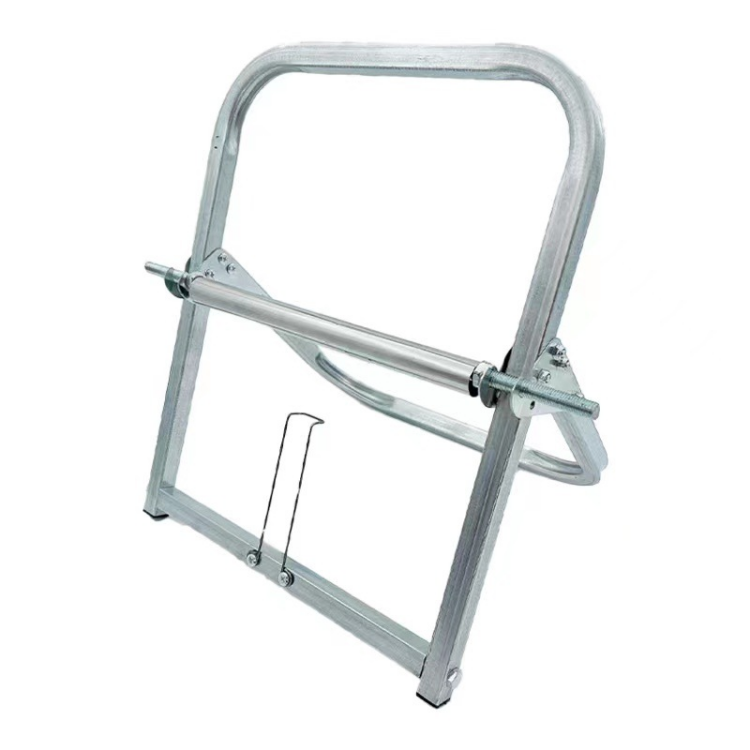
Free-standing or frame-mounted
Equipped with nylon or steel wheels
Fitted with sealed bearings
Designed for easy transport and quick deployment
Common Configurations
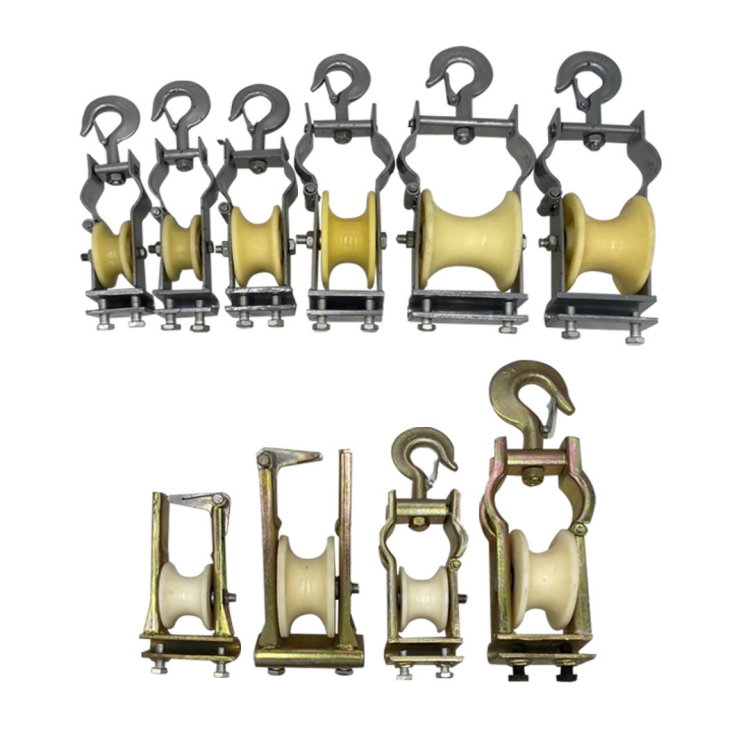
Single-Wheel Cable Rollers
Ideal for straight cable runs and general-purpose use.
Double-Wheel Rollers
Provide enhanced stability for larger or heavier cables.
V-Groove Rollers
Used for cables that require accurate centering.
Flat-Track Rollers
Suitable for broad cables and bundled conductors.
Distinction from Other Cable Rollers
Roller Type Primary Application
Ground Cable Roller Surface and trench cable support
Manhole Cable Roller Cable entry into vaults and manholes
Corner Cable Roller Routing around bends
Duct Roller Cable insertion into conduits
Pulling Head Mechanical attachment to cable
III. Heavy Duty vs. Standard: Understanding Load Classes
Cable rollers are engineered to accommodate different cable weights and pulling tensions.
Light Duty Rollers
Pulling tension: Under 1 tonne
Application: Fiber optic, communication cables
Medium Duty Rollers
Pulling tension: 1–5 tonnes
Application: LV and MV cables
Heavy Duty Rollers
Pulling tension: 5–15 tonnes
Application: Large MV and HV cables
Ultra Heavy Duty Rollers
Pulling tension: 15–50+ tonnes
Application: Extra-high-voltage and submarine cable projects
Frame Materials
Hot-Dip Galvanized Steel
Provides excellent corrosion resistance and structural strength.
Stainless Steel
Preferred for coastal and chemically aggressive environments.
Aluminum Alloy
Lightweight and ideal for frequent handling.
IV. Cable Haul Roller Specifics
Cable haul rollers are specifically designed for continuous, high-load cable pulling operations.
Unlike simple guide rollers, haul rollers are engineered to withstand:
Sustained heavy loads
High-speed cable movement
Repetitive operational cycles
Features of Cable Haul Rollers
Precision bearings for smooth rotation
Reinforced steel frames
Deep-groove nylon wheels
Optional braking systems
Integrated tension-control mechanisms
Operational Capabilities
Typical cable haul rollers can support pulling speeds of up to 500 meters per minute, depending on cable size and winch capacity.
Compatible Equipment
Cable haul rollers are used with:
Hydraulic cable winches
Pulling heads
Swivels
Dynamometers
Cable socks
V. Trench vs. Open Ground Applications
Trench Rollers
Designed for confined spaces and narrow excavation routes.
Advantages:
Compact dimensions
Stackable design
Corrosion-resistant construction
Quick setup
Open Ground Rollers
Used where cables are laid across exposed surfaces.
Advantages:
Larger wheel diameters
Higher load capacities
Portable support frames
Greater stability
Specialized Installations
Road Crossings
Heavy-duty rollers support cables beneath temporary protective plates.
Horizontal Directional Drilling (HDD)
Rollers are positioned at bore exits to manage cable transition and protect against abrasion.
VI. Nylon Wheel Technology for Ground Rollers
The wheel material is one of the most important factors influencing roller performance.
Cast Nylon
Economical and suitable for standard duty.
Machined Nylon
Offers improved dimensional precision.
MC (Monomer Cast) Nylon
The preferred material for heavy-duty cable rollers due to its superior mechanical properties.
Advantages of MC Nylon
High compressive strength
Low friction coefficient
Excellent wear resistance
Impact resistance
Non-conductive properties
Typical Hardness Range
Shore D 60–80 is commonly selected for an optimal balance between durability and cable protection.
Expected Service Life
Quality nylon wheels can handle approximately 50,000 to 200,000 meters of cumulative cable pulling, depending on load and operating conditions.
VII. Safety Considerations for Ground Roller Operations
Safe roller operation is essential to prevent equipment failure and worker injury.
Roller Kickback Prevention
Secure rollers on stable surfaces
Use locking pins where applicable
Verify alignment before tension is applied
Cable Jump and Snag Hazards
Inspect the route for obstacles
Use retaining guides on curved sections
Monitor roller spacing
Worker Positioning
Personnel should remain clear of the cable's direct pulling path and away from high-tension zones.
Personal Protective Equipment (PPE)
Typical PPE includes:
Hard hats
Safety gloves
Steel-toe boots
Eye protection
High-visibility clothing
Industry safety practices often reference standards such as Occupational Safety and Health Administration construction regulations, including OSHA 1926 Subpart V.
VIII. Real-World Project Examples
132kV Underground Transmission Cable Pull
A utility contractor installed a 2.5-kilometer transmission cable using:
18 heavy-duty ground rollers
4 corner rollers
2 manhole rollers
Hydraulic pulling winch
The roller system reduced pulling tension by approximately 35% compared with unsupported pulling.
Urban Duct Bank Installation
A municipal project with 48 parallel ducts required coordinated roller placement to maintain cable separation and reduce sheath damage.
Fiber Optic Trench Deployment
Lightweight aluminum-frame rollers enabled rapid installation while minimizing worker fatigue.
IX. Buying Guide: What to Look for in a Ground Cable Roller Supplier
Selecting a reliable supplier ensures long-term performance and project success.
Quality Certifications
Look for manufacturers certified to:
CE standards
International Organization for Standardization quality management systems
Spare Parts Availability
Confirm access to:
Replacement nylon wheels
Bearings
Axles
Retaining hardware
Customization Options
Leading suppliers can provide:
Special wheel diameters
Custom frame dimensions
Stainless steel versions
Branded products
Engineering Support
Technical assistance for load calculations and roller spacing is highly valuable on complex projects.
X. Conclusion
Ground cable rollers and cable haul rollers are foundational tools in underground power cable installation. By reducing friction, protecting cable jackets, and supporting safe handling of heavy conductors, they directly influence installation quality and project efficiency.
Whether deploying fiber optic cables, urban MV circuits, or multi-kilometer HV transmission systems, selecting the appropriate roller design and load class is essential.
Investing in high-quality heavy-duty cable rollers with MC nylon wheels and galvanized steel frames ensures reliable performance, lower maintenance costs, and superior cable protection throughout the project lifecycle.
Article Source
This article is adapted from the following product titles and industry references:
Ground Cable Roller for Heavy Duty Power Cable Hauling and Routing Electrical Construction
Cable Haul Roller for Utility Cable Laying and Underground Construction
Heavy Duty Cable Pulling Guide Roller for Underground Power Cable Projects
Suggested reference publications:
Cable Installation & Maintenance Magazine
Utility Products Magazine