
 NEWS List
Complete Procurement Guide: Select the Right Fiberglass Duct Rodder for Your Team
Introduction: Why Fiberglass Duct Rodder Selection Matters
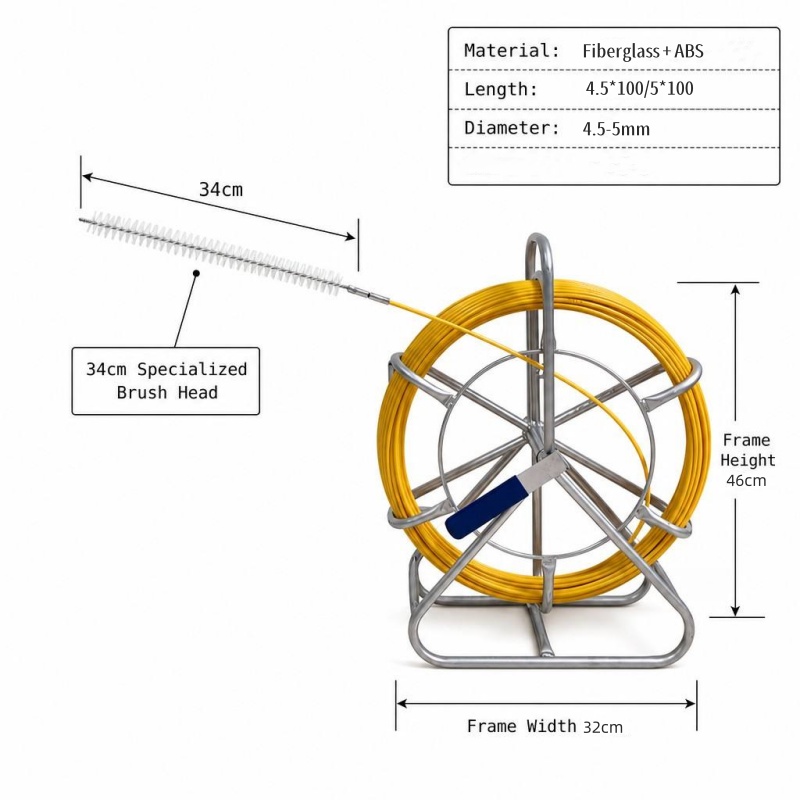
A fiberglass duct rodder is a relatively simple cable installation tool, but choosing the wrong model can create problems throughout an engineering project. An undersized rod may be difficult to push through bends or may wear prematurely, while an oversized rod can be unnecessarily heavy and difficult to handle in small ducts.
For contractors, telecom installers, FTTH teams, electrical engineers, and public utility crews, procurement should therefore go beyond comparing price and rod length. The right fiberglass duct rodder should match the actual duct environment, cable installation method, working distance, required pulling force, transportation conditions, and expected frequency of use.
This guide explains how to evaluate the key specifications, reel structure, accessories, supplier quality, RFQ information, purchasing documents, and long-term ownership considerations before placing an order.
1. Define Your Main Application Scenarios First: Telecom, Civil, FTTH or Public Utility
The first step in procurement is to define where and how the duct rodder will be used.
Different applications can require very different rod configurations.
Telecom and Fiber Optic Installation
Telecom contractors commonly use duct rodders to install pulling lines into existing conduits or innerducts before pulling communication cables. Fiber optic installation requires particular attention to cable pulling tension, bend radius, cable construction, and the correct pulling accessories.
The Fiber Optic Association recommends following the cable manufacturer's installation requirements and using appropriate strength members, pulling eyes, swivels, and grips. Excessive pulling tension can damage the fiber even when the installation appears mechanically successful.
For telecom applications, consider:
Rod diameter
Rod length
Minimum bending radius
Pull strength
Length markings
Non-conductive construction
Pulling heads and end fittings
Compatibility with pulling rope and swivels
Reel mobility
FTTH and Small Telecom Projects
FTTH projects often involve relatively small conduits, indoor raceways, building pathways, and short outdoor duct sections.
A smaller-diameter rod can be advantageous where duct space is limited. For example, Condux offers 5 mm and 6 mm duct rods specifically for smaller ducts and shorter runs, while larger models are available for heavier-duty applications.
For FTTH procurement, prioritize:
Easy feeding
Compact reel dimensions
Lightweight handling
Smooth rotation
Clear length markings
Appropriate small-diameter rod options
Civil Engineering and Public Utility Projects
Civil and utility projects may involve longer ducts, underground pathways, multiple manholes, or cable-occupied conduits. These applications typically place greater demands on rod strength, frame durability, accessories, and field mobility.
A contractor working on water, sewer, gas, electric, or communications infrastructure may therefore need a more robust reel and frame than a technician performing short indoor FTTH installations. Condux, for example, lists duct rodder applications across utility and communications industries and provides multiple rod diameters and lengths.
Procurement principle:
Do not select a fiberglass duct rodder simply because its advertised maximum length or pulling strength is higher. Select the model that matches your actual duct size, route complexity, working distance, and handling requirements.
2. Confirm Required Diameter Range, Working Length and Breaking Tension
After identifying the application, define the technical specifications.
Three parameters deserve particular attention:
1.Rod diameter
2.Working length
3.Pulling/tensile strength
Rod Diameter
Rod diameter affects stiffness, flexibility, feeding performance, and compatibility with the duct.
A smaller rod can navigate tighter pathways more easily, while a larger rod generally provides greater structural rigidity and higher pulling capability.
As an example, Condux currently lists the following duct-rod specifications:
Rod Diameter Pull Strength Minimum Bend Radius
5 mm 890 N 76 mm
6 mm 1,557 N 127 mm
8 mm 4,226 N 178 mm
11 mm 4,226 N 280 mm
13 mm 6,227 N 280 mm
These figures are manufacturer-specific specifications, not universal industry requirements.
When comparing suppliers, always make sure that the test definitions are comparable.
Working Length
Choose a length based on the actual duct route rather than simply purchasing the longest available model.
Consider:
Straight-line duct distance
Bends and offsets
Manhole spacing
Entry and exit positions
Required working reserve
Future projects with similar routes
A rod that is too short creates additional connection or repositioning work. A very long rod, however, can increase reel size, weight, transportation difficulty, and procurement cost.
For example, Condux offers models ranging from short 200-ft versions to configurations reaching 1,500 ft, depending on rod type and diameter.
Breaking Tension vs. Working Pull Strength
This is one of the most important points in procurement.
Do not assume that a rod's breaking tension is the same as its recommended working load.
Ask the supplier to clearly distinguish:
Ultimate tensile strength
Pull strength
Rated working load
Recommended operating load
Minimum bending radius
Test method
More importantly, the fiberglass rod's strength does not determine how much force can safely be applied to the cable.
For fiber optic cable installation, the cable manufacturer's maximum pulling tension remains a critical limit. Corning specifically recommends considering tension, bend radius, jamming, and conduit fill before cable pulling.
RFQ tip: Ask suppliers to provide the exact definition and test method behind every strength number.
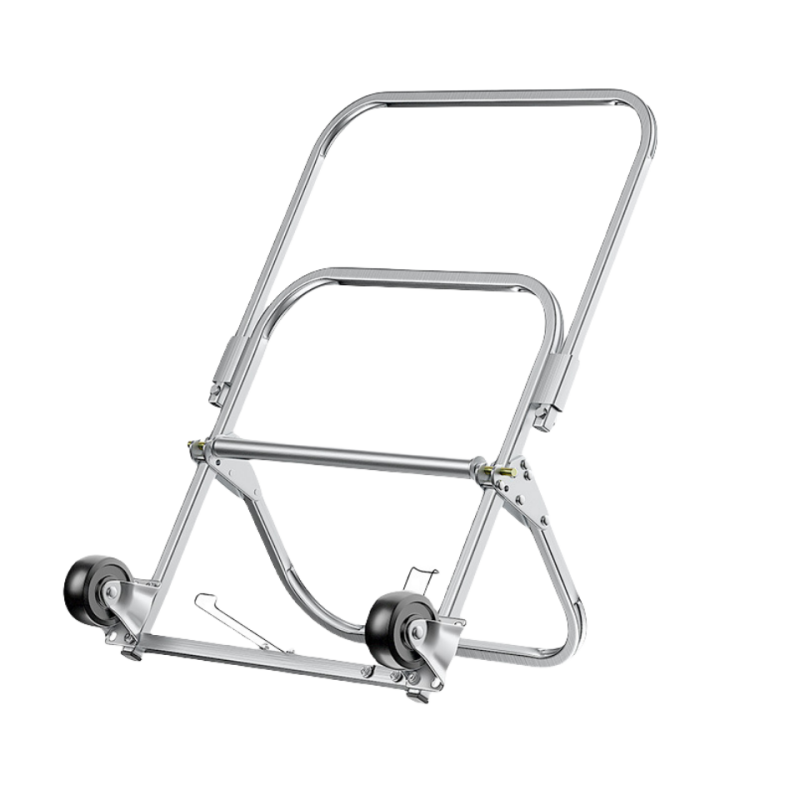
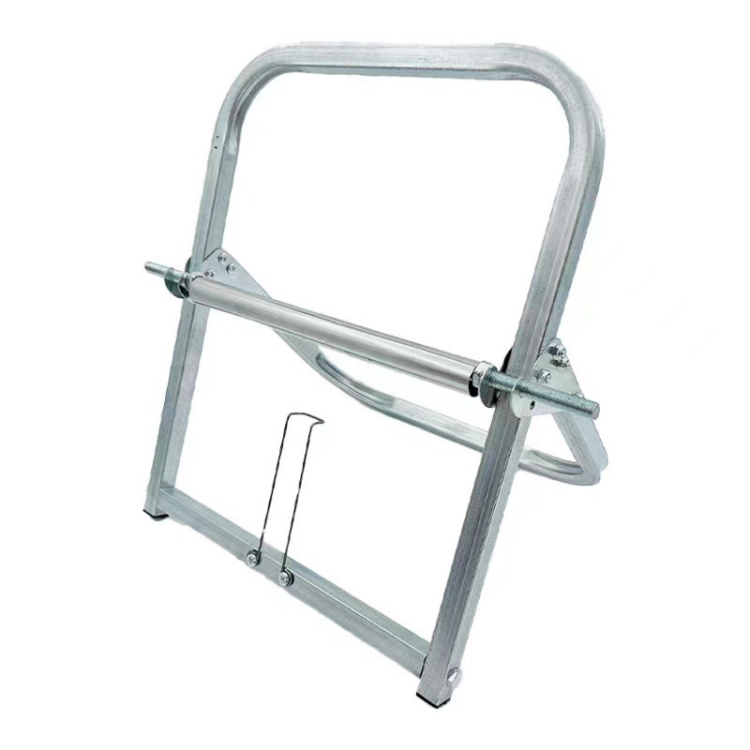
3. Evaluate Reel Design: Transport Wheels, Frame Strength and Smooth Rotation
A fiberglass rod is only one part of the complete duct rodder.
For professional field work, the reel and frame can have a major effect on usability.
Transport Wheels
Large wheels can make a significant difference when moving equipment between vehicles, manholes, construction areas, and indoor work zones.
A procurement evaluation should check:
Wheel diameter
Wheel material
Load capacity
Axle construction
Ground clearance
Wheel attachment
Tire type
Ease of replacement
Condux's current duct rodder range includes wheeled 30-inch and 45-inch cages designed for field mobility.
Frame Strength
A heavy-duty frame should be evaluated for more than appearance.
Check:
Tubular or reinforced frame construction
Weld quality
Surface treatment
Corrosion resistance
Reel mounting
Axle strength
Handle design
Brake mounting
Replacement parts availability
Powder coating, galvanized components, or other corrosion-resistant treatments may be valuable for outdoor contractors, particularly where equipment is frequently exposed to moisture and dirt.
Smooth Reel Rotation
A reel that rotates unevenly can make rod feeding unnecessarily difficult.
Look for:
Stable axle alignment
Low-friction bearings or bushings
Adequate reel clearance
Reliable brake mechanism
Smooth payout
Controlled rod return
The reel should allow the operator to feed and retrieve the rod without excessive resistance or uncontrolled spinning.
For cable installation itself, OSHA notes that spool rollers can allow cable spools to rotate smoothly and reduce the effort associated with pulling and feeding operations.
Although a duct rodder reel is not the same as a cable spool roller, the procurement principle is similar: controlled, smooth material movement reduces unnecessary manual effort.
4. Check Value-Added Features: Marked Length Scale and Replaceable Pulling Head
Once the basic specifications are acceptable, compare features that improve field productivity and equipment lifecycle.
Marked Length Scale
Length markings can help technicians estimate how much rod has been inserted into a duct.
This can be useful when:
Locating an obstruction
Estimating duct depth
Recording installation progress
Comparing actual route length with drawings
Communicating insertion distance between workers
Some commercial duct rodders offer optional footage markings; for example, Condux lists footage marks at two-foot intervals on selected rod configurations.
However, markings should be treated as field reference measurements, not precision surveying equipment.
When requesting marked rods, ask about:
Marking interval
Metric or imperial scale
Printing or engraving method
Marking durability
UV resistance
Abrasion resistance
Visibility after repeated use
Replaceable Pulling Head
The front pulling head is exposed to repeated contact with duct entrances, bends, debris, and fittings.
A replaceable head can therefore be valuable for professional users because damage to one component does not necessarily require replacement of the entire rod.
Condux duct rodders, for example, include threaded end fittings and tapered heads, while replacement rods and repair kits are available.
When comparing suppliers, ask whether the following are replaceable:
Tapered head
Threaded end fitting
Connector
Pulling head
Reel brake components
Rod section or complete replacement rod
Repair kit
A product with a slightly higher purchase price may offer better long-term value if common wear components can be replaced individually.
5. How to Verify Supplier's Industrial Grade Quality Before RFQ
A professional supplier should be able to provide more than product photos and a single tensile-strength number.
Before sending a large-volume RFQ, establish a technical qualification process.
5.1 Request a Complete Technical Datasheet
The datasheet should ideally include:
Rod material
Fiberglass construction
Outer coating material
Rod diameter
Total length
Pull strength
Tensile strength, if applicable
Minimum bending radius
Rod weight
Reel dimensions
Frame material
Wheel specifications
Brake design
End fitting type
Marking options
Operating temperature, if specified
Available accessories
5.2 Ask for Test Information
Do not compare two suppliers only because one states “high strength” and another states “heavy duty.”
Ask:
What test method was used to determine the stated tensile or pull strength?
Also ask:
Is the stated value an ultimate breaking load or a recommended working load?
This distinction is essential for technical procurement.
5.3 Inspect the Fiberglass Rod Surface
The rod should have a consistent protective coating without obvious:
Cracks
Blisters
Deep scratches
Exposed fibers
Uneven diameter
Poorly finished ends
The protective outer coating is important because the fiberglass core repeatedly contacts the duct environment.
Condux describes its duct rods as glass-reinforced composite cores with rugged plastic coatings designed for abrasion resistance, fatigue resistance, and long service life.
5.4 Check the Reel and Brake
Ask for photos or inspection samples showing:
Welds
Axle
Bearings/bushings
Wheels
Brake
Reel cage
Handle
Fasteners
Surface coating
If possible, request a sample unit before approving a large production order.
5.5 Evaluate Repairability
For engineering teams, a good supplier should be able to answer:
What happens if the rod head breaks after one year?
Can the connector be replaced?
Are spare parts available?
Can we purchase replacement rods separately?
How long are repair parts supported?
These questions help distinguish a professional industrial product from a low-cost disposable tool.
6. Key Information to Prepare When Sending a Quote Request
A detailed RFQ helps suppliers provide accurate quotations and reduces repeated communication.
Instead of sending only:
“Please quote fiberglass duct rodder, 1000 ft.”
prepare a technical requirement sheet.
Recommended RFQ Information
Item Information to Provide
Application Telecom / FTTH / electrical / utility / civil
Duct type PVC / HDPE / conduit / innerduct
Duct ID Actual internal diameter
Route length Approximate working distance
Number of bends Straight / moderate / complex
Access points Manholes / handholes / indoor entry
Rod diameter Required or supplier recommendation
Rod length Required working length
Strength Required pull/tensile specification
Marking Metric / imperial / unmarked
Reel Standard / heavy duty / custom
Wheels Required / optional
Brake Required
Pulling head Standard / custom
Accessories Rope / swivel / grip / roller guide
Quantity Trial order / project order / annual volume
Destination Delivery country and city
Target delivery Required arrival date
Certification Required documents or standards
If you are unsure about the appropriate rod diameter, provide the duct internal diameter, route length, number of bends, and application and ask the supplier to recommend a configuration.
For example:
“We need a fiberglass duct rodder for 80 m FTTH conduit routes with several 90-degree bends. The duct ID is approximately 40 mm. Please recommend the rod diameter, minimum bending radius, pulling strength, reel configuration, and suitable accessories.”
This gives the supplier enough information to make a meaningful technical recommendation.
7. Procurement Documents, Bulk Discount and Lead Time Tips for Engineering Teams
Price is important, but procurement teams should evaluate the complete purchasing package.
Request the Full Commercial Package
For a professional RFQ, request:
Product quotation
Technical datasheet
Product drawings
Packing dimensions
Net and gross weight
Spare-parts list
Warranty terms
Production lead time
Sample availability
Payment terms
Shipping terms
Certification documents, where applicable
Inspection procedure
Replacement-part availability
Ask for Tiered Pricing
For project procurement, request several quantities:
Sample quantity
10 units
20 units
50 units
100 units
Annual forecast quantity
This allows your team to compare the real price curve rather than negotiating only around one quantity.
Consider Total Cost of Ownership
A low purchase price does not automatically mean a lower project cost.
Compare:
Total Cost of Ownership = Purchase Price + Shipping + Spare Parts + Maintenance + Replacement Cost + Downtime Risk
For frequently used engineering equipment, repairability can become particularly important.
A supplier offering replacement rods, end fittings, repair kits, brake parts, and other components can potentially reduce the need to replace complete assemblies. Condux, for example, lists replacement rods and repair kits as part of its duct rodder offering.
Confirm Lead Time Before Issuing the Purchase Order
Ask suppliers to separate:
Standard-product lead time
Customized-product lead time
Sample lead time
Production lead time
Inspection time
Packing time
Shipping transit time
If length markings, special colors, custom fittings, special reel dimensions, or private-label packaging are required, confirm whether these options extend production time.
For large engineering projects, it is also useful to keep a small quantity of replacement components in stock rather than waiting for a complete tool shipment after an unexpected failure.
8. Final Selection Checklist for Long-Term Professional Cable Work
Before approving a fiberglass duct rodder supplier, use the following checklist.
Technical Specifications
Application is clearly defined
Duct internal diameter is confirmed
Required rod diameter is confirmed
Working length is sufficient
Pull strength is clearly specified
Tensile strength is clearly defined
Minimum bending radius is provided
Test method is available
Cable manufacturer's pulling limits are respected
Rod Construction
Fiberglass core is consistent
Protective coating is durable
Rod surface has no obvious defects
Pulling head is suitable for the duct
End fittings are securely attached
Replacement components are available
Reel and Frame
Frame is sufficiently strong
Reel rotates smoothly
Wheels are suitable for the jobsite
Brake provides controlled payout
Handle is ergonomic
Surface treatment provides adequate corrosion resistance
Spare frame/reel components are available if required
Productivity Features
Length markings are available
Marking interval is suitable
Markings are durable and visible
Accessories match the rod diameter
Roller guides are available for complex bends
Repair kits are available
Condux, for example, provides roller guides designed to help guide duct rods around bends, sweeps, and duct misalignments, with different configurations for different rod and duct sizes.
Supplier Qualification
Technical datasheet received
Product drawings received
Test information reviewed
Sample evaluated
Quality-control process confirmed
Warranty terms confirmed
Spare-parts policy confirmed
Production lead time confirmed
Bulk pricing received
Packaging and shipping requirements confirmed
Conclusion: Buy for the Project, Not Just the Product
Selecting the right fiberglass duct rodder is ultimately a project-matching exercise.
The best model is not necessarily the longest, thickest, or strongest one. It is the model that provides an appropriate combination of:
Rod diameter + working length + pulling capability + flexibility + reel mobility + brake control + accessories + repairability.
For FTTH and indoor telecom work, compact dimensions and easy feeding may be more important than maximum pulling capacity. For public utility and civil projects, frame strength, wheels, long working length, replaceable components, and field durability may carry greater weight.
Most importantly, procurement teams should separate the rodder's mechanical specifications from the cable's allowable installation limits. A stronger rod does not mean a cable can safely be pulled with greater force. Cable manufacturer requirements, route conditions, bend radius, pulling method, and applicable safety procedures must remain part of the final installation decision.
A structured RFQ, sample evaluation, technical specification review, and total-cost analysis can help engineering teams avoid purchasing equipment that looks attractive on paper but performs poorly in real duct work.
For long-term professional cable installation, the right procurement strategy is simple:
Define the application → calculate the requirements → compare technical specifications → inspect reel quality → verify supplier capability → negotiate total cost → confirm spare parts and lead time → approve the final model.
Article Sources
Condux International – Duct Rodders — Rod diameter, pull strength, minimum bending radius, reel design, wheels, brake, end fittings, replacement rods and repair kits.
Condux International – 2025 Cable Installation Catalog — Current product/catalog information covering duct rodder construction, mobility, brakes, accessories and specifications.
OSHA – Pulling and Feeding Wire — Pulling-force factors, conduit bends, manual pulling effort, spool handling and friction-reduction practices.
Corning – Duct Installation of Fiber Optic Cable — Cable preparation, reel alignment, pulling grip, swivel, lubrication, communication and controlled pulling procedures.
Corning – Pulling Fiber Optic Cable in Conduit, AEN 136 — Planning considerations for bend radius, tension, jamming and conduit fill.
The Fiber Optic Association – Fiber Optic Cable Installation Guide — Fiber pulling tension, pulling members, swivels, grips and cable manufacturer's requirements.
Condux International – Roller Guide — Roller-guide applications for bends, sweeps, duct misalignment and cable-occupied ducts.
SEO Title: Complete Procurement Guide: How to Select the Right Fiberglass Duct Rodder for Your Team
Meta Description: Learn how to select the right fiberglass duct rodder for telecom, FTTH, civil and utility projects. Compare rod diameter, length, pull strength, reel design, accessories, supplier quality, RFQ requirements and total cost.
Primary Keywords: fiberglass duct rodder, fiberglass duct rodder procurement, buy fiberglass duct rodder, fiberglass cable pulling rod, duct rodder supplier, fiberglass conduit rod, cable pulling tool, telecom duct rodder, FTTH cable pulling tools, underground cable installation tools, heavy duty duct rodder, cable pulling equipment, duct rodding tools, fiberglass cable puller.