
 NEWS List
Product Comparison and Market Trends: A Comprehensive Analysis of High Voltage Telescopic Measuring Poles
Introduction
The global demand for high-voltage telescopic measuring poles continues to grow as electric power networks, railway infrastructure, renewable energy projects, and smart logistics systems expand worldwide. Modern users no longer focus solely on insulation performance; they also expect lightweight construction, higher measurement accuracy, improved portability, digital functionality, and lower lifetime operating costs.
As manufacturers continue to innovate, buyers are faced with an increasingly diverse range of products—from economical fiberglass measuring poles to professional-grade composite models with advanced engineering features. This article compares major product types, discusses brand positioning, analyzes market pricing, and explores the technologies shaping the future of telescopic measuring poles.
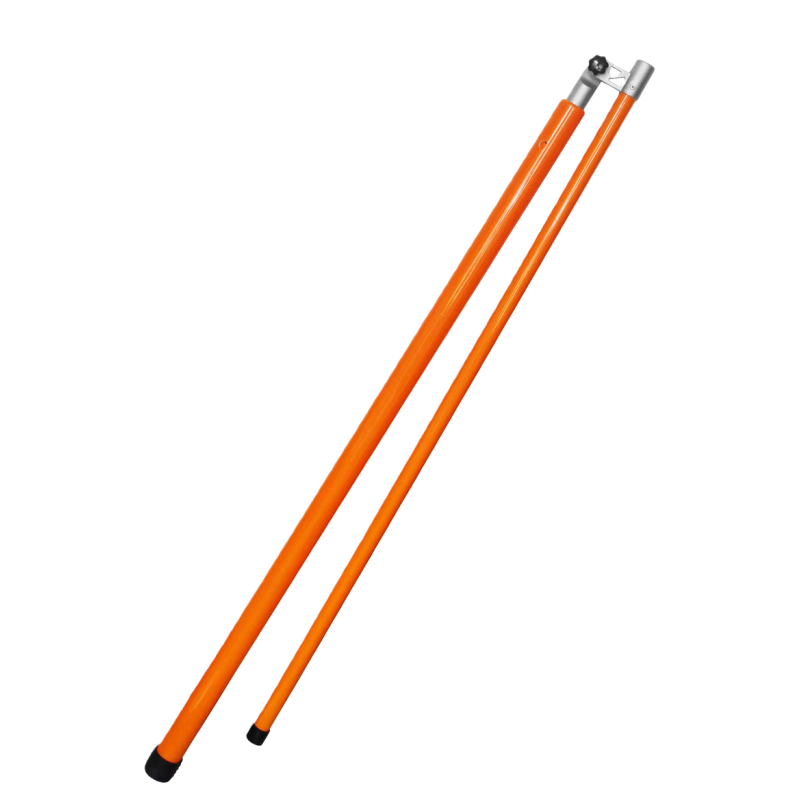
In-Depth Competitor Comparison
Lightweight Epoxy Resin Composite Pole vs. Heavy-Duty Fiberglass Pole
Although many manufacturers use fiberglass reinforced polymer (FRP) combined with epoxy resin, product designs differ depending on the intended application.
Lightweight Epoxy Resin Composite Pole
These products are optimized for portability and frequent field use.
Advantages
Lower overall weight
Easier one-person operation
Reduced operator fatigue
Faster deployment
Better portability
Smooth surface finish
Suitable for frequent inspection work
Recommended Applications
Distribution network inspection
Warehouse height measurement
Railway maintenance
Utility patrol inspections
Municipal engineering
Daily infrastructure inspections
Heavy-Duty Fiberglass Pole
Heavy-duty models prioritize mechanical strength and structural rigidity.
Advantages
Higher bending resistance
Improved rigidity at long extension lengths
Greater resistance to impact
Better performance under high mechanical loads
Suitable for demanding outdoor environments
Recommended Applications
High-voltage transmission projects
Construction engineering
Long-span conductor measurements
Wind power infrastructure
Large substations
Heavy industrial maintenance
Performance Comparison
Feature Lightweight Composite Pole Heavy-Duty Fiberglass Pole
Weight Lower Higher
Portability Excellent Good
Structural Rigidity Good Excellent
Long-Reach Stability Good Excellent
Ease of Operation Excellent Good
Heavy-Duty Applications Moderate Excellent
Daily Inspection Excellent Good
Neither design is universally superior. The most appropriate choice depends on the operating environment, required measuring range, and frequency of use.
Brand Comparison
Comparing CGG Series Products
Many manufacturers offer telescopic measuring poles under CGG-series or equivalent product families. While specifications vary, buyers typically compare products based on:
Available measuring lengths
Weight
Insulation rating
Composite material quality
Locking mechanism
Measurement accuracy
Warranty and technical support
The table below illustrates how buyers may compare representative product offerings.
Evaluation Factor Generic Economy Brand Mid-Range Manufacturer JINPOWER CGG Series
Product Range Standard models Multiple configurations Wide selection with customization options*
Material Standard FRP Improved composite materials High-strength FRP and epoxy composite*
Weight Optimization Basic Good Optimized lightweight design*
Locking Mechanism Standard Enhanced Precision multi-section locking*
Customization Limited Available OEM/ODM support available*
Quality Management Varies ISO-based ISO 9001 quality management*
*Features should be verified with the manufacturer's latest technical documentation and product specifications before purchase.
Rather than relying solely on brand recognition, buyers should compare verified technical data, certifications, testing reports, and after-sales support.
Price Range Analysis
Economy to Professional Grade
Prices vary depending on length, insulation class, materials, manufacturing quality, accessories, and certification requirements.
A general market segmentation is shown below.
Product Category Typical Characteristics Typical Buyer
Economy Standard fiberglass construction, basic locking mechanism, essential functionality Small contractors, occasional users
Mid-Range Improved materials, lighter weight, better manufacturing consistency Utility contractors, industrial maintenance teams
Professional Premium composite materials, enhanced engineering, customization, comprehensive quality documentation Utilities, railway operators, government agencies, infrastructure companies
While economy products may reduce initial purchase costs, professional-grade equipment often provides better durability, reliability, and lower total cost of ownership over extended service periods.
Evaluating Cost-Benefit Ratio
When comparing products, buyers should consider more than the purchase price.
Key evaluation factors include:
Service life
Measurement accuracy
Insulation performance
Maintenance requirements
Replacement part availability
Operator productivity
Warranty coverage
Technical support
Compliance with applicable standards
A lower-priced product may not represent the best long-term value if it requires more frequent replacement or maintenance.
Innovative Technologies and Future Trends
Integrated Laser Rangefinders and Digital Readouts
The next generation of telescopic measuring poles is expected to incorporate electronic measurement technologies alongside traditional graduated scales.
Potential features include:
Integrated laser distance measurement
Digital display screens
Electronic measurement recording
Bluetooth connectivity
Wireless data transmission
Mobile application integration
Automatic measurement logging
These technologies may reduce manual reading errors and simplify data collection during field inspections. However, users should evaluate such systems based on accuracy, durability, environmental suitability, and maintenance requirements.
Smarter Inspection Systems
Future products may integrate with broader digital asset management systems.
Potential capabilities include:
GPS location tagging
Cloud-based inspection records
QR code equipment identification
Real-time maintenance reporting
Digital inspection forms
Predictive maintenance platforms
Such developments could improve traceability and support more efficient infrastructure management.
Material Innovation
Advances in composite engineering continue to improve the performance of telescopic measuring poles.
Current research and development focuses on:
Higher-strength fiberglass reinforcement
Advanced epoxy resin formulations
Carbon-fiber hybrid composites (for selected non-insulating structural applications)
Improved UV resistance
Enhanced moisture resistance
Better wear resistance
Reduced overall weight
For insulated live-line tools, material innovations must maintain or improve dielectric performance while meeting applicable safety standards.
Market Growth Driven by New Energy Infrastructure
The transition toward renewable energy is creating new opportunities for inspection and maintenance equipment.
Growing demand is expected from sectors including:
Wind power generation
Solar photovoltaic plants
Battery energy storage systems
Ultra-high-voltage transmission projects
Smart grid development
Electric vehicle charging infrastructure
These applications require regular inspection of electrical clearances, equipment heights, and installation geometry, increasing demand for accurate and reliable measuring tools.
Smart Logistics and Industrial Automation
Rapid growth in logistics automation is also expanding the market for telescopic measuring poles.
Typical applications include:
Automated warehouse inspections
Truck and container height verification
High-bay storage measurement
Distribution center maintenance
Intelligent freight management
Infrastructure monitoring
As logistics facilities become increasingly automated, accurate measurement tools remain essential for maintaining operational efficiency and safety.
Future Outlook
Industry analysts generally expect continued growth in demand for professional measuring equipment due to:
Expansion of electrical infrastructure
Aging utility assets requiring more frequent inspection
Railway modernization projects
Renewable energy investment
Increasing workplace safety requirements
Digital transformation of maintenance operations
Growth in smart logistics and automated warehousing
Manufacturers that combine advanced composite materials, digital measurement technologies, strong quality management systems, and comprehensive customer support are likely to remain competitive in the evolving market.
Conclusion
The market for high-voltage telescopic measuring poles is evolving rapidly. Buyers today can choose from a wide range of products that differ in materials, structural design, weight, functionality, and price. Selecting the right equipment requires balancing technical performance, application requirements, long-term operating costs, and supplier reliability.
At the same time, innovations such as integrated laser measurement, digital data collection, and advanced composite materials are shaping the next generation of inspection tools. As power infrastructure, renewable energy, railway systems, and smart logistics continue to expand, demand for accurate, lightweight, and durable measuring poles is expected to grow, creating new opportunities for manufacturers and end users alike.
References
This article is an original technical market analysis prepared with reference to internationally recognized standards, engineering publications, and publicly available industry resources, including:
1.International Electrotechnical Commission (IEC). IEC 60855 Series – Live Working – Insulating Foam-Filled Tubes and Solid Rods.
2.ASTM International. ASTM F711 – Standard Specification for Fiberglass-Reinforced Plastic (FRP) Rod and Tube Used in Live Line Tools.
3.ISO. ISO 9001:2015 – Quality Management Systems – Requirements.
4.IEEE (Institute of Electrical and Electronics Engineers). Publications on electrical maintenance tools, live-line practices, and inspection technologies.
5.EPRI (Electric Power Research Institute). Research reports on transmission line maintenance, live-line tools, and utility asset management.
6.International Energy Agency (IEA). Reports on global electricity infrastructure, renewable energy deployment, and power system modernization.
7.International Road Transport Union (IRU). Industry resources on logistics operations, freight safety, and transportation efficiency.
8.Grand View Research, MarketsandMarkets, and Fortune Business Insights. Publicly available market reports covering composite materials, electrical maintenance equipment, smart logistics, and industrial inspection technologies.