
 NEWS List
Core Technology Behind High Voltage Insulated Operating Rods: Materials, Engineering, and Safety Standards
Introduction
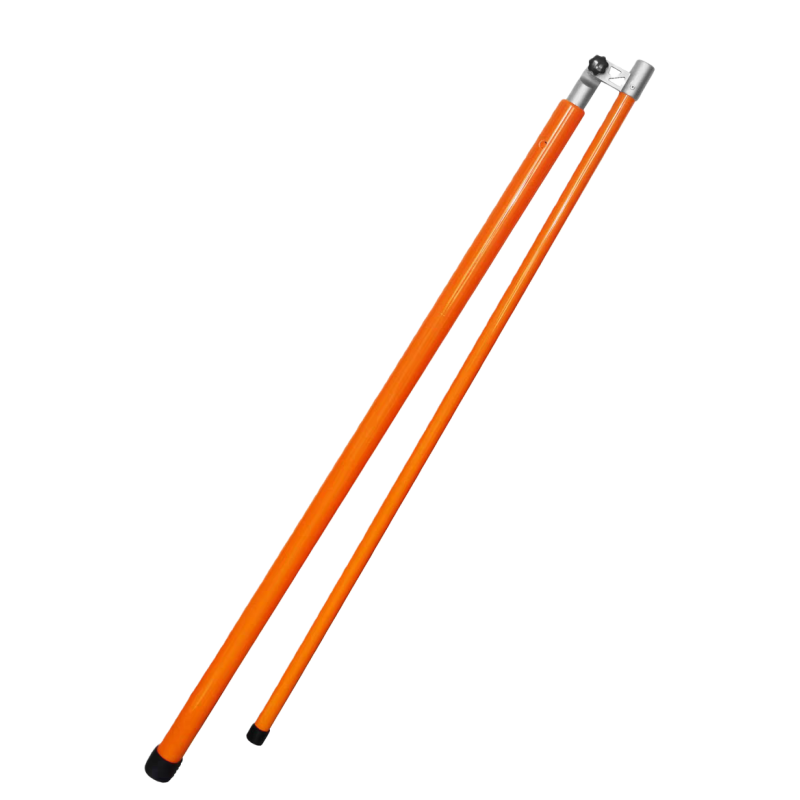
High voltage insulated operating rods are essential tools for electricians, utility companies, power transmission contractors, and industrial maintenance teams. Whether disconnecting switches, replacing fuses, or performing live-line maintenance, these tools provide a safe working distance while preventing electrical shock.
However, not all insulated operating rods are built with the same technology. Their safety and performance depend on advanced composite materials, precision engineering, strict electrical testing, and compliance with international standards.
This article explores the core technologies that determine the quality and reliability of modern high voltage insulated operating rods.
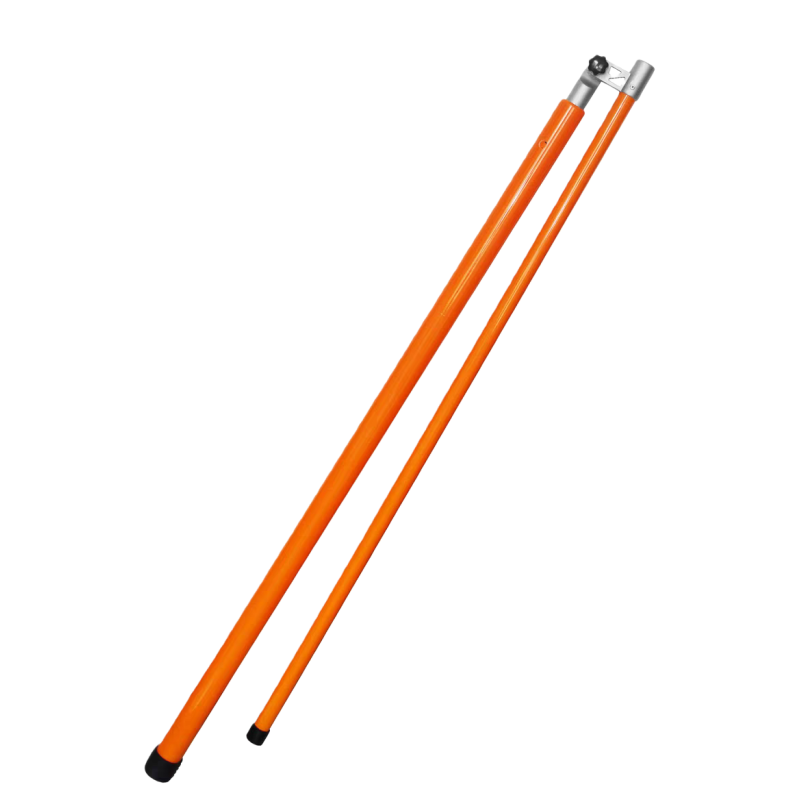
High Voltage Insulation and Advanced Composite Materials
The most important function of an insulated operating rod is preventing electrical current from reaching the operator. This protection relies primarily on the rod's composite insulating material.
Fiberglass Reinforced Polymer (FRP)
Modern insulated rods are commonly manufactured using fiberglass reinforced polymer (FRP), a composite material made from:
E-glass or high-strength fiberglass fibers
Epoxy resin matrix
Surface insulating coating
Fiberglass provides exceptional tensile strength while maintaining very low electrical conductivity.
Key Advantages
Excellent dielectric strength
High mechanical strength
Corrosion resistance
Moisture resistance
UV resistance
Long service life
Lightweight construction
Compared with traditional metal tools, FRP significantly reduces electrical hazards while improving portability.
Epoxy Resin Composite Technology
Epoxy resin serves as the bonding matrix that surrounds fiberglass fibers.
Its functions include:
Electrical insulation
Mechanical reinforcement
Water resistance
Chemical resistance
Surface smoothness
Crack prevention
Manufacturers typically use vacuum impregnation or pultrusion processes to ensure consistent resin penetration throughout the fiberglass structure.
The result is a rigid composite with excellent insulation performance even under harsh environmental conditions.
Dielectric Performance Testing (10kV–500kV)
Electrical insulation cannot rely solely on material selection. Every insulated operating rod should undergo dielectric testing.
Testing typically covers voltage classes including:
10 kV
35 kV
66 kV
110 kV
220 kV
330 kV
500 kV
During testing, high voltage is applied under controlled laboratory conditions to verify that:
No electrical breakdown occurs
Leakage current remains within acceptable limits
Surface flashover is prevented
Structural integrity remains intact
Routine dielectric testing ensures that every rod can withstand the electrical stress encountered during live-line operations.
International Electrical Testing Standards
Professional manufacturers generally follow internationally recognized standards for insulation testing.
Common testing requirements include:
Power-frequency withstand voltage tests
Leakage current measurements
Surface insulation resistance tests
Mechanical bending tests
Moisture conditioning tests
Environmental aging tests
Compliance with these standards demonstrates consistent manufacturing quality and improves user confidence.
Lightweight Design with High Structural Strength
Operating rods are often carried over long distances and used overhead for extended periods.
Reducing weight while maintaining strength is therefore a major engineering objective.
Typical specifications include:
Feature Typical Value
Weight 1.25–3 kg
Material High-strength fiberglass composite
Bending Strength High
Impact Resistance Excellent
Fatigue Resistance Long-term durability
Lightweight construction reduces operator fatigue while improving maneuverability during field operations.
Precision Measurement and Engineering Design
Modern insulated rods are engineered not only for insulation but also for precision.
Manufacturers incorporate accurate measurement scales along the rod.
Typical accuracy:
Measurement error ≤ 1 cm
Applications include:
Equipment positioning
Pole height estimation
Switch alignment
Maintenance inspections
Laser engraving or permanent printing ensures that scale markings remain readable after years of outdoor use.
Multi-Section Nested Telescopic Mechanism
One of the defining features of modern operating rods is the telescopic design.
Instead of carrying multiple fixed-length poles, operators use a nested extension system.
Typical configuration:
Multiple fiberglass sections
Precision-machined locking joints
Anti-rotation structure
Wear-resistant connectors
Advantages include:
Faster deployment
Compact storage
Improved transport
Adjustable working length
Reduced inventory requirements
Reliable Locking System
Safety depends heavily on the locking mechanism.
A properly engineered locking system prevents accidental collapse during live operations.
High-quality locking systems feature:
Mechanical positive locking
Anti-slip design
High-load resistance
Wear-resistant components
Long service life
Each locking point is tested repeatedly to ensure stable operation after thousands of extension cycles.
Portability and Working Length Optimization
Different maintenance environments require different working heights.
Manufacturers therefore offer various extension ranges.
Typical specifications include:
Retracted Length Extended Length
1.0 m 6 m
1.2 m 8 m
1.4 m 10 m
1.6 m 12–20 m
Compact storage simplifies transportation in service vehicles while allowing rapid deployment on-site.
Safety Standards and International Compliance
Professional insulated operating rods are manufactured according to internationally recognized safety standards.
These standards regulate:
Electrical insulation
Mechanical strength
Material quality
Manufacturing consistency
Testing procedures
Operator safety
Compliance demonstrates that the product has undergone systematic verification rather than relying solely on manufacturer claims.
IEC and ASTM Standard Alignment
Many manufacturers design products in accordance with widely accepted international standards such as:
IEC standards for live working equipment
ASTM standards for electrical insulating tools
Utility company procurement specifications
These standards define testing procedures for:
Dielectric strength
Mechanical loading
Environmental aging
Moisture resistance
Surface leakage performance
Following international standards improves product compatibility across global markets.
Safe Working Distance for Live-Line Operations
Maintaining adequate distance from energized equipment is one of the most important safety principles.
The required working distance depends on:
System voltage
Environmental conditions
Tool length
Utility regulations
National electrical safety codes
Operators should always select an insulated operating rod with sufficient insulation length and clearance for the intended voltage level.
Proper training and compliance with local regulations remain essential for safe live-line work.
ISO 9001 Quality Management and Third-Party Certification
Leading manufacturers implement ISO 9001 quality management systems throughout production.
Quality control typically includes:
Raw material inspection
Pultrusion process monitoring
Dimensional inspection
Electrical testing
Mechanical testing
Final product inspection
Traceability management
Many manufacturers also obtain independent third-party testing and certification to verify product performance and compliance.
These certifications provide additional assurance for utilities, contractors, and industrial buyers.
Conclusion
The performance of a high voltage insulated operating rod depends on far more than its appearance. Advanced fiberglass-epoxy composite materials, rigorous dielectric testing, precision telescopic engineering, lightweight structural design, and adherence to international safety standards all contribute to reliable performance in demanding electrical environments.
For utility companies and professional maintenance teams, selecting products manufactured under recognized quality systems and tested to international standards helps improve operational safety, reduce maintenance risks, and ensure long-term durability.
References
The technical information in this article is based on publicly available industry standards and technical publications, including:
1.International Electrotechnical Commission (IEC). IEC 60855 Series – Live Working – Insulating Foam-Filled Tubes and Solid Rods.
2.ASTM International. ASTM F711 – Standard Specification for Fiberglass-Reinforced Plastic (FRP) Rod and Tube Used in Live Line Tools.
3.ASTM International. ASTM F1826 – Standard Specification for Live Line and High Voltage Maintenance Tools.
4.ISO. ISO 9001:2015 – Quality Management Systems – Requirements.
5.IEEE (Institute of Electrical and Electronics Engineers). Publications on live-line maintenance practices and electrical safety.
6.OSHA (Occupational Safety and Health Administration). Electrical Safety-Related Work Practices (29 CFR 1910 Subpart S).
7.EPRI (Electric Power Research Institute). Technical guidance on live-line tools, insulation systems, and utility maintenance practices.