
 NEWS List
How Long Will Your Fiberglass Duct Rodder Last? 4 Maintenance Habits That Extend Its Life
Introduction
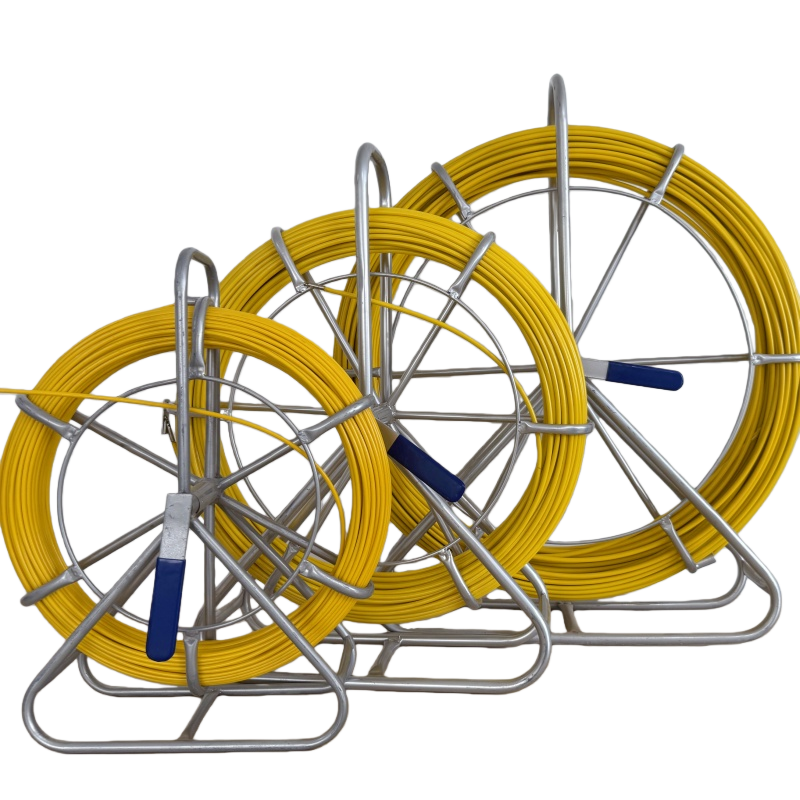
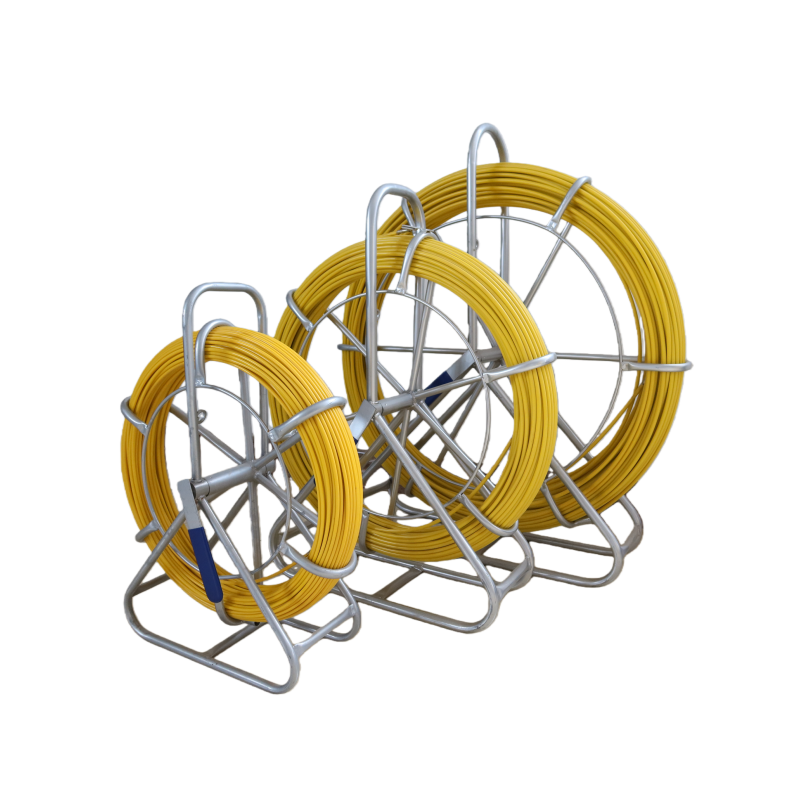
A fiberglass duct rodder is a long-term investment for electrical contractors, telecom installers, utility companies, and infrastructure maintenance teams. A high-quality FRP rodder can withstand thousands of conduit installations, navigate complex underground duct systems, and operate reliably in demanding environments.
However, not all duct rodders achieve their expected lifespan.
In many cases, premature failures are caused not by manufacturing defects, but by improper maintenance, storage, and handling practices.
The good news is that a few simple habits can dramatically extend the life of your fiberglass duct rodder while reducing replacement costs and improving jobsite productivity.
In this guide, we will explore the four most important maintenance practices, explain how to identify wear before it becomes a problem, and discuss the realistic service life expectations of professional-grade FRP rodders.
Why Maintenance Matters More Than Most Users Realize
Fiberglass duct rodders are designed to handle:
Continuous pushing forces
Pulling loads
Abrasion inside conduits
Moisture exposure
Outdoor working environments
Over time, these stresses gradually affect:
The fiberglass core
Protective outer coating
Connectors and fittings
Reel systems
Without proper maintenance, small defects can develop into costly failures.
A damaged rodder may cause:
Installation delays
Cable damage
Safety hazards
Increased labor costs
Routine inspection and care are therefore essential for maximizing return on investment.
Maintenance Habit #1: Clean and Dry the Rod After Every Use
The most important maintenance step is also the simplest.
Always clean the rod immediately after use.
Why Cleaning Is Necessary
During cable installation, the rod may come into contact with:
Dirt
Sand
Mud
Concrete dust
Lubricants
Chemical residues
These contaminants can gradually wear down the outer protective coating.
Over time, accumulated debris increases friction and accelerates surface damage.
Recommended Cleaning Procedure
After retrieval:
Step 1
Wipe the rod using a clean cloth while rewinding it onto the reel.
Step 2
Remove stubborn dirt using mild soap and water.
Step 3
Inspect the rod as it is being cleaned.
Step 4
Allow the rod to dry completely before storage.
Why Dry Storage Is Critical
Although fiberglass itself is highly moisture-resistant, trapped water can affect:
Metal connectors
Bearings
Reel hardware
Long-term moisture exposure may promote corrosion in metallic components.
A dry rodder is a longer-lasting rodder.
Maintenance Habit #2: Monitor Surface Wear and Replace Before Failure
The fiberglass core is protected by an outer coating that serves as the first line of defense against abrasion.
Regular inspection helps prevent unexpected failures.
What Surface Wear Looks Like
Normal wear may include:
Minor scratches
Light discoloration
Cosmetic surface marks
These typically do not affect performance.
Warning Signs Requiring Attention
Inspect the rod for:
Deep Grooves
Indicate excessive abrasion inside conduits.
Exposed Fiberglass Fibers
Suggest coating failure.
Splintering
Signals structural damage.
Flat Spots
May indicate repeated crushing or excessive pressure.
Cracks
Can lead to sudden breakage during operation.
When Should a Rod Be Replaced?
Replacement should be considered when:
Fiberglass fibers become visible over significant lengths.
Cracks appear in multiple locations.
The rod loses flexibility.
Pulling performance noticeably decreases.
Waiting until complete failure occurs can result in costly project delays.
Preventive replacement is usually the more economical option.
Maintenance Habit #3: Inspect Connectors and Joints Regularly
While most users focus on the rod itself, connectors are often the first components to fail.
A damaged connector can cause:
Pull rope separation
Lost attachments
Stuck equipment
Interrupted installations
Key Inspection Areas
Threaded Connections
Check for:
Thread wear
Stripped sections
Deformation
Threads should engage smoothly without resistance.
Pulling Eyes
Inspect for:
Elongation
Cracks
Corrosion
These components experience high stress during cable pulling operations.
Swivels and Rotating Fittings
Verify that:
Rotation remains smooth
No binding occurs
Fasteners remain secure
A seized swivel can transfer torsional stress directly to cables.
Connector Security Check
Before every installation:
✓ Tighten all fittings
✓ Verify locking mechanisms
✓ Confirm attachment integrity
A two-minute inspection can prevent hours of troubleshooting later.
Maintenance Habit #4: Store Properly and Protect Against UV and Heat
Storage conditions significantly influence the lifespan of fiberglass products.
Many duct rodders are damaged while sitting idle rather than during active use.
The Problem with UV Exposure
Extended exposure to ultraviolet radiation can gradually degrade:
Protective coatings
Surface polymers
Resin systems
Over time, UV damage may cause:
Fading
Surface chalking
Reduced coating durability
The Problem with Excessive Heat
High temperatures can affect:
Protective coatings
Reel materials
Connector seals
Avoid storing equipment:
Near heaters
Inside hot containers
Under direct summer sunlight
Adjacent to industrial heat sources
Best Storage Practices
Store the rodder in:
Dry environments
Covered facilities
Moderate temperatures
UV-protected locations
Always keep the rod wound evenly on its reel.
Avoid Tight Bending
Never:
Fold the rod
Create sharp bends
Stack heavy objects on the reel
Fiberglass rods are designed to flex within specified limits.
Improper storage can create permanent deformation.
How to Estimate Remaining Service Life
Many contractors ask:
"How do I know when my rodder is nearing the end of its life?"
Several indicators provide useful guidance.
Performance Indicators
Watch for:
Increased pushing resistance
Reduced flexibility
Frequent snagging
Connector loosening
Visible coating degradation
These symptoms often appear long before complete failure.
Maintenance History Matters
A rodder used daily in underground utility projects will naturally wear faster than one used occasionally for residential work.
Factors influencing lifespan include:
Frequency of use
Pulling loads
Conduit conditions
Environmental exposure
Maintenance quality
Expected Service Life of a Quality FRP Rodder
The actual lifespan varies by manufacturer, usage intensity, and working environment.
However, under normal operating conditions:
Usage Level Expected Service Life
Light Residential Use 8–15 years
Commercial Contracting 5–10 years
Utility & Telecom Projects 3–8 years
Heavy Industrial Applications 3–6 years
These estimates assume proper maintenance and storage practices.
Many contractors report significantly longer service lives when equipment is regularly cleaned, inspected, and protected from environmental damage.
Quick Maintenance Checklist
After Every Job:
✓ Clean the rod
✓ Remove dirt and debris
✓ Dry completely
✓ Inspect connectors
✓ Check for surface wear
Monthly:
✓ Inspect entire rod length
✓ Lubricate moving fittings if required
✓ Verify reel condition
✓ Check attachment accessories
Annually:
✓ Perform detailed wear assessment
✓ Replace damaged connectors
✓ Evaluate overall rod condition
Conclusion
A high-quality fiberglass duct rodder is designed to deliver years of reliable service, but longevity depends heavily on how the equipment is maintained.
By following four simple maintenance habits:
1.Clean and dry after every use
2.Monitor surface wear regularly
3.Inspect connectors and joints
4.Store properly away from UV exposure and heat
5.users can significantly extend service life, reduce replacement costs, and maintain consistent jobsite performance.
The difference between a rodder that lasts three years and one that lasts ten years often comes down to maintenance discipline rather than product quality alone.
Treat your fiberglass duct rodder as a professional asset, and it will continue delivering value on project after project.
Article Sources / References
本文内容依据复合材料维护规范、电力施工设备管理实践及行业公开技术资料整理,主要参考来源包括:
1.American Composites Manufacturers Association (ACMA) — FRP复合材料性能与维护建议。
2.ASTM International — 复合材料耐磨损(以实际报告为主)(以实际报告为主)(以实际报告为主)(以实际报告为主)、耐候性及寿命测试标准。
3.The Fiber Optic Association (FOA) — 光纤施工工具与设备维护实践。
4.National Electrical Contractors Association (NECA) — 电力施工设备管理与安然使用指南。
5.Occupational Safety and Health Administration (OSHA) — 工程设备检查与现场安然规范。
6.American Society of Civil Engineers (ASCE) — 基础设施施工设备寿命管理资料。
7.各主流Fiberglass Duct Rodder、Fish Tape和Cable Pulling Equipment制造商的产品维护手册、保养指南及现场应用案例。