
 NEWS List
Typical Scenarios for Industrial Conduit Cable Pulling — Which One Is Your Job Site?
Introduction
Cable installation is a critical part of modern infrastructure projects. Whether the project involves underground power distribution, fiber optic communications, industrial automation, transportation systems, or hyperscale data centers, one challenge remains the same:
How do you safely and efficiently install cables through conduit systems?
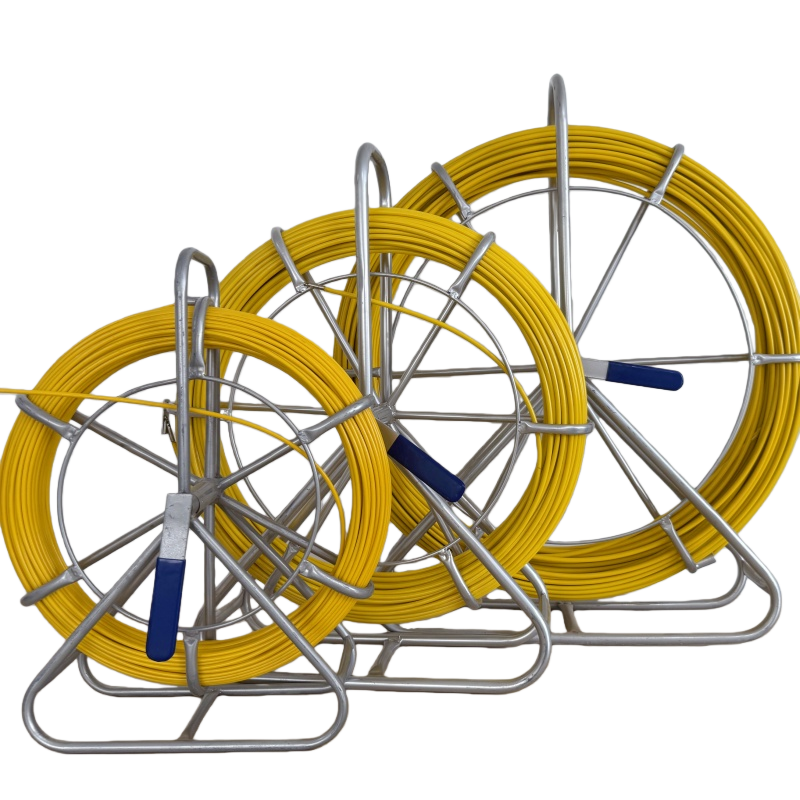
This is where fiberglass duct rodders (also known as cable pullers, conduit snakes, fish tapes, or push rods) become indispensable.
However, not all projects require the same rodder specifications. A rodder designed for a telecom drop installation may be completely unsuitable for a long-distance underground power duct.
Understanding your application is the first step toward selecting the correct equipment.
This guide explores six of the most common industrial cable pulling scenarios and recommends suitable rodder diameters and lengths for each one.
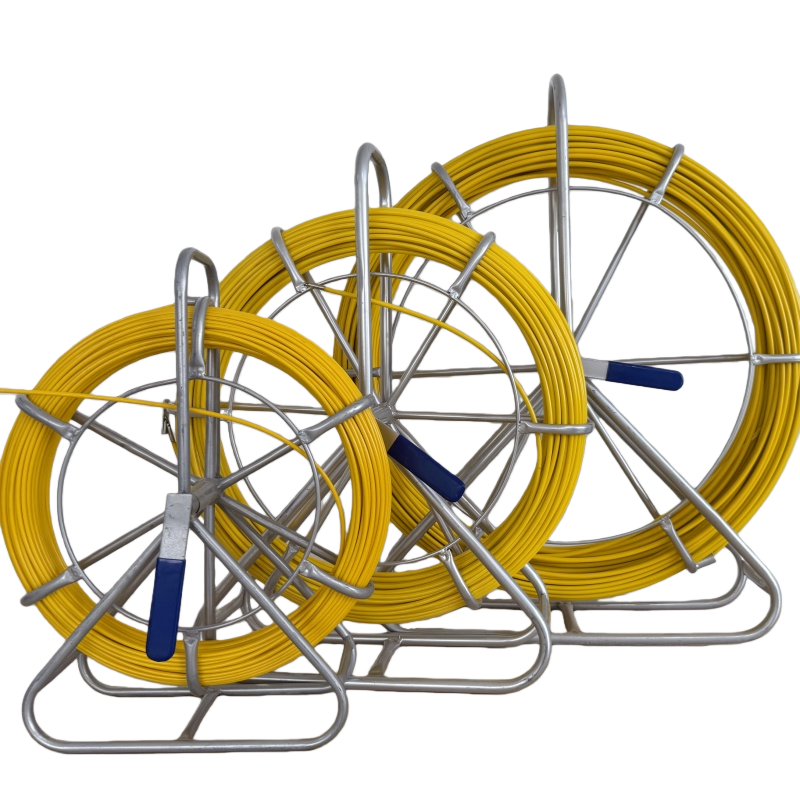
Why Application Matters When Choosing a Rodder
A duct rodder must match:
Conduit diameter
Route length
Number of bends
Cable type
Installation environment
Choosing the wrong rodder often results in:
Reduced productivity
Rod buckling
Excessive friction
Cable damage
Higher labor costs
The following scenarios represent the majority of modern industrial cable installation projects.
Scenario 1: Underground Power Cable Duct Installation
Typical Environment
Underground power networks are commonly found in:
Utility substations
Urban distribution systems
Renewable energy projects
Industrial parks
Municipal infrastructure
Cable routes frequently involve:
Large conduits
Long distances
Heavy power cables
Multiple duct banks
Key Challenges
High pulling loads
Long conduit runs
Large cable diameters
Deep underground access
The rodder must provide sufficient pushing force while maintaining flexibility through bends.
Recommended Rodder Specification
Parameter Recommendation
Diameter 9–14 mm
Length 100–300 m
Material FRP Fiberglass
Connector Heavy-Duty Pulling Eye
Why FRP Works Best
FRP provides:
Electrical insulation
High tensile strength
Corrosion resistance
Reduced operator fatigue
These characteristics are particularly valuable in energized utility environments.
Scenario 2: Communication Base Station Fiber Drop Installation
Typical Environment
Telecom contractors routinely install:
4G/5G base station connections
FTTH feeder cables
Last-mile fiber links
Small-cell network infrastructure
Conduits are usually:
Smaller in diameter
Relatively short
Highly congested
Key Challenges
Tight bends
Limited access points
Sensitive fiber optic cables
Flexibility becomes more important than pushing force.
Recommended Rodder Specification
Parameter Recommendation
Diameter 4–6 mm
Length 30–100 m
Material FRP Fiberglass
Connector Flexible Leader Head
Why FRP Works Best
Fiberglass minimizes:
Cable jacket abrasion
Excessive pulling tension
Bend-radius violations
This makes it ideal for fiber optic deployment.
Scenario 3: Oil & Chemical Plant Cable Retrofits
Typical Environment
Industrial facilities often require:
Equipment upgrades
Instrumentation replacement
Control cable installation
Automation system expansion
These environments frequently expose equipment to:
Chemicals
Moisture
Corrosive atmospheres
Extreme temperatures
Key Challenges
Corrosion
Congested cable trays
Limited access
Safety requirements
Recommended Rodder Specification
Parameter Recommendation
Diameter 6–11 mm
Length 50–150 m
Material FRP Fiberglass
Connector Corrosion-Resistant Hardware
Why FRP Works Best
Unlike steel, fiberglass is highly resistant to:
Water exposure
Salt contamination
Chemical attack
This significantly extends equipment lifespan in industrial environments.
Scenario 4: Subway and Tunnel Communication Duct Construction
Typical Environment
Transportation infrastructure projects include:
Metro systems
Railway communications
Highway tunnels
Utility tunnels
Cable routes may stretch hundreds of meters through confined spaces.
Key Challenges
Long-distance pushing
Multiple directional changes
Restricted working areas
Continuous conduit sections
Recommended Rodder Specification
Parameter Recommendation
Diameter 8–11 mm
Length 150–300 m
Material FRP Fiberglass
Connector Swivel Pulling Eye
Why FRP Works Best
The combination of:
Lightweight construction
High pushing capability
Excellent flexibility
makes fiberglass ideal for extended tunnel installations.
Scenario 5: Data Center Cabling Projects
Typical Environment
Modern data centers require:
Fiber backbone installation
Structured cabling
Network expansion
Equipment upgrades
Cable density is extremely high.
Key Challenges
Tight cable pathways
Sensitive fiber infrastructure
Precision routing requirements
The focus is on cable protection rather than brute force.
Recommended Rodder Specification
Parameter Recommendation
Diameter 4–5 mm
Length 30–60 m
Material FRP Fiberglass
Connector Low-Friction Guide Head
Why FRP Works Best
Fiberglass provides:
Non-conductive operation
Low-friction movement
Safe fiber handling
These qualities align perfectly with data center installation requirements.
Scenario 6: Municipal Utility and Smart City Infrastructure
Typical Environment
Cities increasingly deploy:
Traffic monitoring systems
Surveillance networks
Smart lighting
Public Wi-Fi
IoT communication systems
Projects often involve multiple conduit types and installation conditions.
Key Challenges
Mixed cable types
Varying conduit sizes
Outdoor exposure
Long deployment distances
Versatility becomes the most important factor.
Recommended Rodder Specification
Parameter Recommendation
Diameter 6–9 mm
Length 100–200 m
Material FRP Fiberglass
Connector Multi-Purpose Pulling Head
Why FRP Works Best
Its balance of:
Flexibility
Strength
Durability
Safety
allows contractors to handle diverse installation requirements with a single tool platform.
Quick Selection Guide
Which Rodder Matches Your Project?
Application Recommended Diameter Recommended Length
Underground Power Cables 9–14 mm 100–300 m
Fiber Drop Installation 4–6 mm 30–100 m
Oil & Chemical Plants 6–11 mm 50–150 m
Subway & Tunnel Projects 8–11 mm 150–300 m
Data Centers 4–5 mm 30–60 m
Smart City Infrastructure 6–9 mm 100–200 m
Common Selection Mistakes
Many buyers make one of the following mistakes:
Buying the Longest Rod Available
Longer rods increase:
Cost
Weight
Transportation difficulty
Choose length based on actual conduit requirements.
Oversizing Diameter
Larger rods provide more pushing force but reduce flexibility.
For small conduits, oversized rods often create more problems than they solve.
Ignoring Environment
Corrosive environments quickly shorten the lifespan of metallic tools.
FRP remains the preferred choice for most industrial applications.
Conclusion
From underground power distribution systems to fiber optic networks and data centers, conduit cable pulling requirements vary significantly across industries.
The most effective rodder is not necessarily the largest or most expensive—it is the one that matches the installation environment and project requirements.
For the majority of modern industrial applications, FRP fiberglass duct rodders provide the ideal combination of:
Safety
Flexibility
Durability
Corrosion resistance
Cable protection
By selecting the appropriate rod diameter and length for your specific job site, you can improve installation efficiency, reduce labor costs, and extend the lifespan of both the tool and the cable system.
The next time you prepare for a cable installation project, ask yourself one simple question:
Which of these six scenarios best describes your job site?
The answer will guide you to the right duct rodder specification.
Article Sources / References
本文内容基于公共电力、通信、工业自动化及基础设施建设行业公开技术资料整理,主要参考来源包括:
1.The Fiber Optic Association (FOA) — 光纤通信工程与管道布线实践指南。
2.BICSI International — 数据中心、通信网络和结构化布线标准。
3.National Electrical Contractors Association (NECA) — 电力电缆安装与地下管道施工规范。
4.Institute of Electrical and Electronics Engineers (IEEE) — 电力系统与通信基础设施技术标准。
5.International Cablemakers Federation (ICF) — 电缆安装及工程应用技术资料。
6.Fiber Broadband Association (FBA) — FTTH与宽带光纤网络建设案例。
7.各主流FRP Duct Rodder、Cable Pulling Equipment及Underground Utility Installation设备制造商技术手册和工程案例研究。