
 NEWS List
Key Factors to Consider When Choosing a Cable Drum Stand
1. Introduction
Selecting the right cable drum stand is a crucial decision for any construction, electrical, or telecommunications project. The efficiency of cable installation, as well as the safety of workers, largely depends on the quality and suitability of the equipment used.
With various models available on the market—ranging from manual stands to advanced hydraulic systems—understanding the key selection factors can help businesses avoid costly mistakes and improve operational performance.
2. Load Capacity
Matching Drum Weight
One of the most important considerations when choosing a cable drum stand is its load capacity. Each stand is designed to support a specific weight range, and selecting a model that matches your cable drum weight is essential for safe operation.
Using an under-rated stand can lead to structural failure, equipment damage, or even serious accidents.
Safety Margins
It is recommended to choose a cable drum stand with a load capacity that exceeds your maximum drum weight. This safety margin ensures stability during operation and accounts for dynamic forces during cable pulling.
3. Adjustability
Height Adjustment
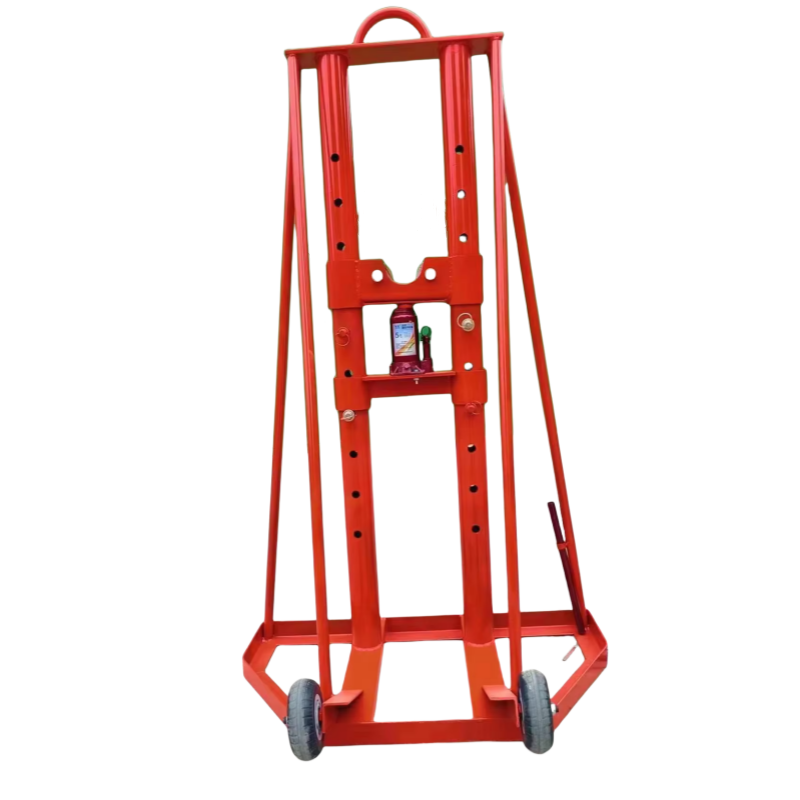
Adjustable height is a key feature that allows operators to align the cable drum with different installation requirements. Proper height positioning ensures smooth cable unwinding and reduces friction.
Width Compatibility for Different Reels
Cable drums come in various sizes, so a stand with adjustable width is highly beneficial. This flexibility enables one piece of equipment to handle multiple drum sizes, improving cost efficiency and versatility.
4. Stability and Safety Features
Anti-Slip Base
A stable base is critical, especially on construction sites where the ground may be uneven. Anti-slip designs prevent unwanted movement and enhance operational safety.
Locking Mechanisms
Reliable locking systems ensure that the drum remains securely in place during operation. This prevents accidental shifting or falling, which could lead to injuries or equipment damage.
Structural Design
A robust frame structure, typically made of reinforced steel, provides the necessary strength to handle heavy loads while maintaining balance and durability.
5. Material and Durability
Corrosion-Resistant Coating
High-quality cable drum stands are often coated with anti-corrosion materials such as powder coating or galvanization. This protects the equipment from rust and extends its service life.
Suitability for Marine Environments
In coastal or marine environments, exposure to moisture and salt can accelerate corrosion. Choosing a stand specifically designed for such conditions ensures long-term reliability and performance.
6. Ease of Operation
Hydraulic Lift vs Manual Operation
Hydraulic cable drum stands offer significant advantages in terms of ease of use. They allow operators to lift heavy drums with minimal effort, improving efficiency and reducing physical strain.
Manual stands, while more affordable, require more labor and are better suited for lighter applications.
Quick-Release Clamps
Quick-release mechanisms simplify the process of loading and unloading cable drums. This feature reduces setup time and enhances overall productivity on site.
7. Conclusion
Choosing the right cable drum stand involves careful evaluation of several factors, including load capacity, adjustability, safety features, material quality, and ease of operation. By selecting equipment that aligns with your specific project requirements, you can significantly improve efficiency, ensure worker safety, and achieve long-term cost savings.
Investing in a high-quality cable drum stand is not just about meeting immediate needs—it is a strategic decision that supports reliable and professional cable installation operations.
Article Source
Industrial Equipment Buying Guides (ThomasNet)
Alibaba Product Guide
OEM Manufacturer White Papers