
 NEWS List
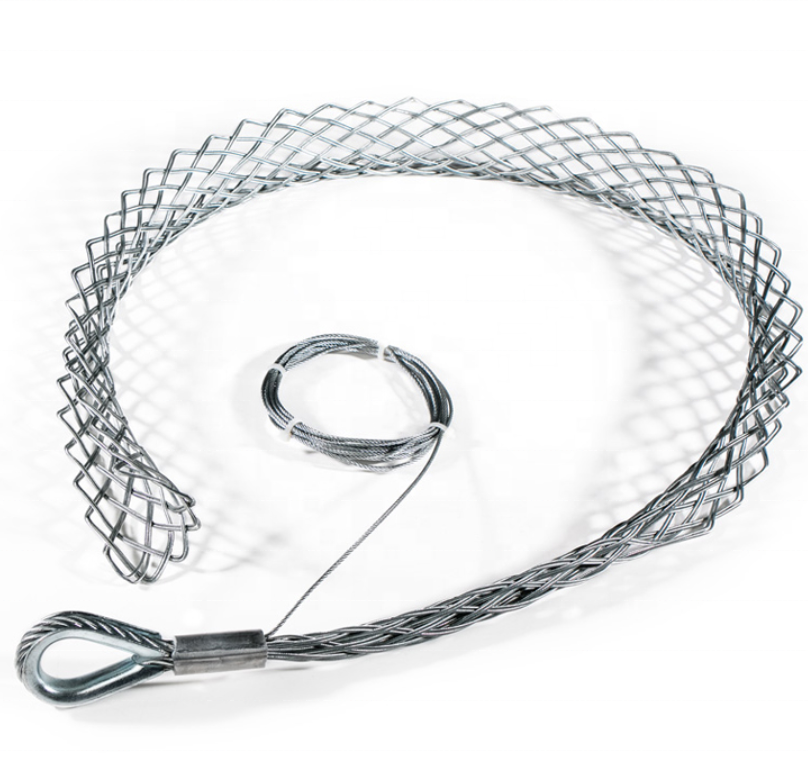
The Value of Corrosion-Resistant Stainless Steel Wire Rope Cable Pulling Socks in Industrial and Telecommunication Fields
I. Impact of Corrosive Environments on Cable Traction Tools
In many industrial and telecommunication settings, humidity is a prevalent and challenging factor. High levels of moisture in the air can gradually penetrate the surface of cable traction tools, especially those made of ordinary metals. Once moisture gets inside, it can initiate a series of chemical reactions, such as oxidation, which leads to rust formation. Rust not only weakens the structural integrity of the traction tools but also affects their smooth operation. For example, rusty parts may become stuck or difficult to move, increasing the risk of cable damage during the pulling process and potentially causing delays in construction projects.
Chemical Environment
Industrial areas are often filled with various chemicals, including acids, alkalis, and solvents. These chemicals can be highly corrosive to cable traction tools. When exposed to such substances, the metal components of the tools can undergo rapid chemical degradation. The chemicals may react with the metal, breaking down its molecular structure and causing it to lose strength and durability. In some cases, the chemical attack can be so severe that the traction tool fails completely during use, leading to costly accidents and project interruptions.
Long-Term Outdoor Use
Cable traction tools that are used outdoors for extended periods are constantly exposed to the elements. Sunlight, rain, wind, and temperature fluctuations all take a toll on these tools. Ultraviolet (UV) radiation from the sun can cause the materials of the traction tools to degrade over time, making them brittle and more prone to cracking. Rain and moisture can lead to rust and corrosion, as mentioned earlier, while wind can cause abrasion and wear on the surface of the tools. Temperature changes can also cause the metal to expand and contract, leading to stress and potential damage. All these factors combined make long-term outdoor use a significant challenge for cable traction tools in terms of maintaining their performance and longevity.
II. Material Advantages of Stainless Steel Wire Rope Cable Pulling Sock
Corrosion Resistance of Stainless Steel
Stainless steel is renowned for its excellent corrosion resistance properties. It contains a minimum of 10.5% chromium, which forms a thin, invisible layer of chromium oxide on the surface of the metal when exposed to oxygen. This oxide layer acts as a protective barrier, preventing further oxidation and corrosion from occurring. Unlike ordinary steel, stainless steel does not readily react with moisture, chemicals, or other corrosive substances in the environment. This makes it an ideal material for cable pulling socks, especially in harsh industrial and telecommunication settings where corrosion is a major concern.
Extended Service Life
Due to its corrosion-resistant nature, stainless steel wire rope cable pulling socks have a significantly longer service life compared to those made from ordinary materials. They can withstand the rigors of corrosive environments without deteriorating, maintaining their strength and functionality over time. This extended service life means that fewer replacements are required, reducing the overall cost of ownership and minimizing downtime associated with tool maintenance and replacement. In the long run, investing in stainless steel cable pulling socks can lead to substantial cost savings for businesses and organizations.
III. Applications in the Telecommunication and Power Industries
Telecommunication Base Station Construction
In the construction of telecommunication base stations, cable pulling socks play a crucial role in installing various types of cables, such as fiber optic cables and coaxial cables. These cables need to be pulled through conduits, pipes, and other confined spaces to connect different components of the base station. The corrosion-resistant stainless steel wire rope cable pulling sock is well-suited for this application because it can handle the pulling forces without being affected by the potentially corrosive environment inside the conduits. Its durable construction ensures that the cables are installed smoothly and securely, minimizing the risk of damage and ensuring reliable communication signals.
Power Transmission Lines
Power transmission lines are essential for delivering electricity from power plants to consumers. During the installation and maintenance of these lines, cable pulling socks are used to pull heavy-duty power cables through towers, poles, and underground ducts. The stainless steel wire rope cable pulling sock is an excellent choice for this application due to its high strength and corrosion resistance. It can withstand the high pulling forces required to move the heavy power cables and can operate in outdoor environments without being damaged by moisture, chemicals, or UV radiation. This ensures the safe and efficient installation of power transmission lines, reducing the risk of electrical failures and power outages.
Outdoor Engineering Projects
Outdoor engineering projects, such as bridge construction, pipeline installation, and infrastructure development, often involve the use of cable pulling socks to install cables and wires. These projects are typically exposed to harsh environmental conditions, including humidity, chemicals, and extreme temperatures. The corrosion-resistant stainless steel wire rope cable pulling sock is ideal for such projects as it can perform reliably in these challenging environments. Its ability to resist corrosion and maintain its strength ensures that the cables are installed correctly and securely, contributing to the overall success and safety of the outdoor engineering projects.
IV. Durability and Cost-Effectiveness Analysis
Reduced Replacement Frequency
One of the most significant advantages of using stainless steel wire rope cable pulling socks is the reduced frequency of replacements. As mentioned earlier, their corrosion-resistant properties allow them to last much longer than ordinary cable pulling socks. This means that businesses and organizations do not need to purchase new tools as frequently, saving on the cost of procurement. Additionally, fewer replacements also reduce the amount of waste generated, which is beneficial for the environment.
Lower Overall Construction Costs
In addition to reducing replacement costs, stainless steel wire rope cable pulling socks can also help lower overall construction costs in several ways. Firstly, their durability ensures that they can handle multiple projects without failing, reducing the risk of project delays and associated costs. Secondly, their reliable performance minimizes the risk of cable damage during the pulling process, which can be costly to repair or replace. Finally, the long service life of these cable pulling socks means that businesses can allocate their budget more effectively, focusing on other critical aspects of the construction project rather than constantly replacing worn-out tools.
V. Conclusion: Why Corrosion Resistance is a Key Indicator for Selecting Cable Pulling Socks
In conclusion, corrosion resistance is a critical factor to consider when selecting cable pulling socks for industrial and telecommunication applications. The corrosive environments in these fields, including humidity, chemical exposure, and long-term outdoor use, can significantly degrade the performance and lifespan of ordinary cable pulling socks. In contrast, stainless steel wire rope cable pulling socks offer excellent corrosion resistance, extended service life, and reliable performance in harsh conditions. Their applications in telecommunication base station construction, power transmission lines, and outdoor engineering projects demonstrate their versatility and value. Moreover, their durability and cost-effectiveness make them a wise investment for businesses and organizations looking to optimize their construction processes and reduce long-term costs. Therefore, when choosing cable pulling socks, it is essential to prioritize corrosion resistance to ensure the success and efficiency of industrial and telecommunication projects.
Source of the article
Original article compiled by the manufacturer, based on industry practice and engineering experience in telecommunication and power cable installation.