
 NEWS List
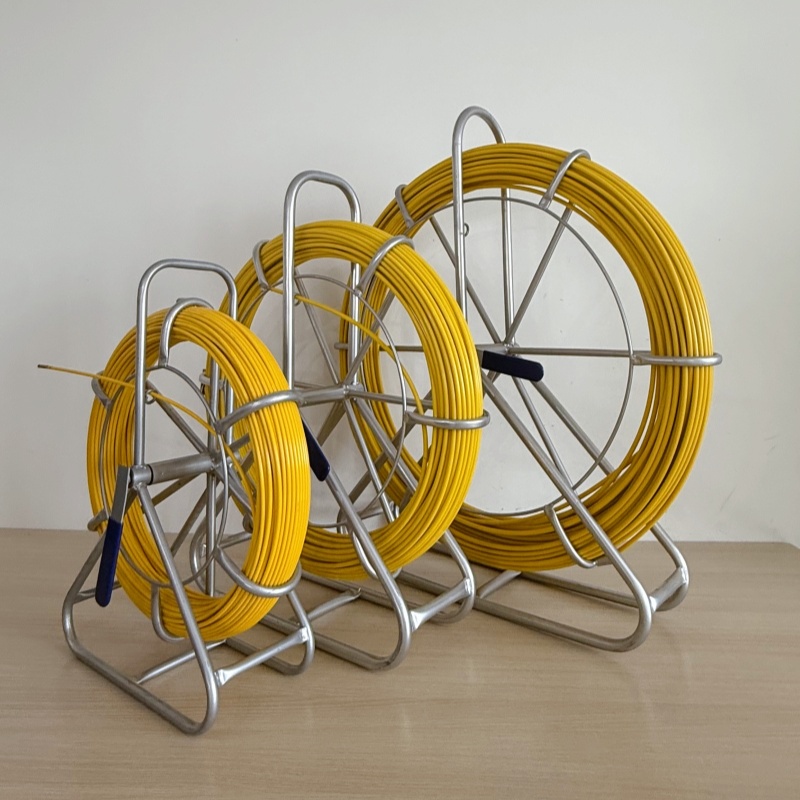
Innovative Applications and Industry Trends of Fiberglass Rodder in Electrical Installation Projects
Introduction
Technological Innovation Needs in Electrical Engineering
With the rapid advancement of urbanization, smart infrastructure, and energy transformation, electrical engineering projects are becoming increasingly complex. Traditional cable installation methods often struggle to meet the demands of modern construction environments, particularly in confined spaces, long-distance conduits, and high-density pipeline systems
Innovative Application Scenarios for Fiberglass Rodder
1. Smart Grid Retrofit Projects
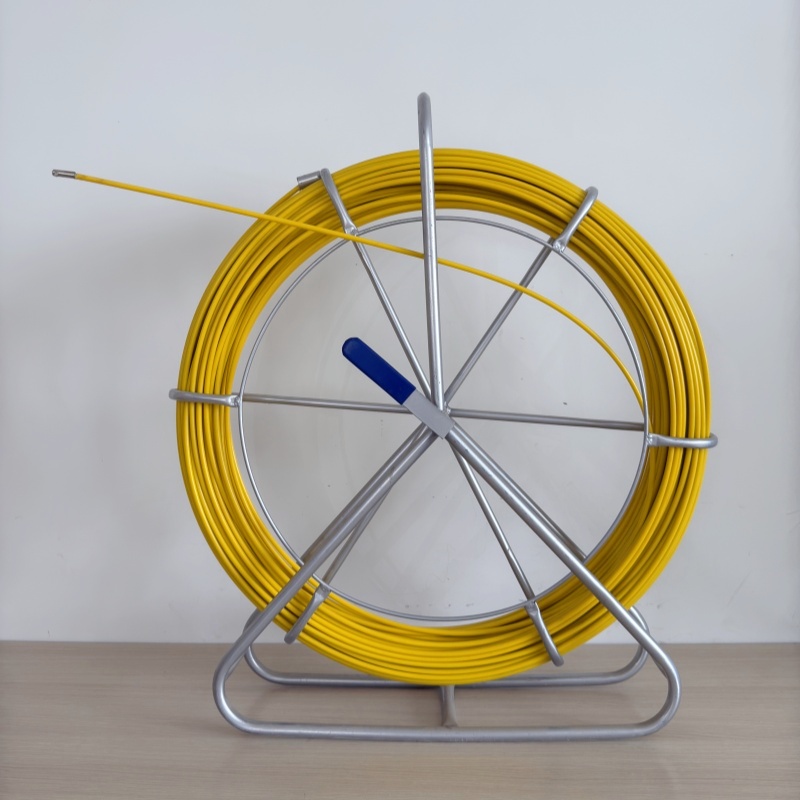
In smart grid upgrades, existing underground cable systems often require replacement or expansion without large-scale excavation. Fiberglass rodders enable technicians to navigate complex conduit systems, ensuring precise cable routing while minimizing disruption to existing infrastructure.
2. New Energy Facility Wiring (Wind Power, Solar)
Renewable energy projects, such as wind farms and photovoltaic power stations, typically involve large-scale cable deployment across challenging terrains. Fiberglass rodders provide:
Long-distance cable feeding capability
Resistance to harsh environmental conditions
Improved installation efficiency in remote areas
3. Urban Integrated Pipeline Corridor Construction
Modern cities increasingly adopt integrated utility tunnels (pipeline corridors) to house electricity, communication, water, and gas systems. In these dense environments, fiberglass rodders are essential for:
Accurate cable threading in multi-layer conduits
Reducing manual labor intensity
Improving construction safety and speed
Analysis of Industry Technological Development Trends
1. Material Science Advances
Recent developments in composite materials have significantly improved fiberglass rodder performance. High-strength fibers and resin systems enhance:
Tensile strength
Durability
Resistance to wear and chemical corrosion
These innovations extend product lifespan and reduce maintenance costs.
2. Smart Tool Integration
The integration of intelligent technologies is reshaping the industry. Modern fiberglass rodders may include:
Embedded sensors for tension and position monitoring
Remote control operation for hazardous environments
Data feedback systems for real-time performance tracking
This shift improves precision, safety, and operational efficiency.
3. Modular Design and Rapid Deployment Solutions
Manufacturers are increasingly adopting modular designs, allowing users to:
Customize rod length and diameter
Replace damaged components quickly
Transport equipment more conveniently
Such flexibility is particularly valuable in large-scale or time-sensitive projects.
Impact of Policies and Standards on Industry Development
1. Underground Space Utilization Regulations
Governments worldwide are strengthening regulations on underground infrastructure development. Standardized pipeline layouts and utility corridors increase demand for precise and adaptable cable installation tools like fiberglass rodders.
2. Construction Safety and Environmental Protection Requirements
Strict safety and environmental standards require tools that:
Minimize excavation and surface damage
Reduce noise and emissions
Enhance worker safety
Fiberglass rodders align well with these requirements due to their non-invasive operation.
3. Industry Certification and Quality Control Systems
Certification systems (such as ISO standards) and quality control protocols are becoming essential for market entry. High-quality fiberglass rodders must meet:
Mechanical performance standards
Electrical insulation requirements
Durability benchmarks
This drives manufacturers toward higher production standards and technological innovation.
Future Challenges and Opportunities: Digital Transformation and Green Construction
The industry faces both challenges and opportunities in the coming years:
Digital Transformation: Integration with BIM (Building Information Modeling) and smart construction platforms will require tools capable of data interaction and automation.
Green Construction: Sustainable practices demand eco-friendly materials and energy-efficient processes.
Labor Shortages: Automation and intelligent tools can help reduce reliance on manual labor.
Global Market Competition: कंपनies must innovate continuously to remain competitive in international markets.
Fiberglass rodders, as part of the broader cable installation ecosystem, will play a key role in addressing these trends.
Conclusion: Role of Technological Innovation in Driving Industry Sustainable Development
Fiberglass rodders have evolved from simple mechanical devices into advanced tools supporting modern electrical engineering demands. Their applications in smart grids, renewable energy, and urban infrastructure highlight their versatility and importance.
Technological innovation—particularly in materials, intelligent systems, and modular design—continues to drive the industry forward. Combined with supportive policies and increasing demand for sustainable construction, fiberglass rodders are poised to remain a vital component in the future of electrical installation projects.
Source
This article is synthesized based on industry knowledge and general trends in electrical engineering tools, referencing concepts commonly discussed in:
International Electrotechnical Commission (IEC) standards
ISO quality management systems (ISO 9001)
Industry reports on cable installation tools and composite materials
Technical publications related to smart grid and infrastructure development