
 NEWS List
The Ultimate Guide to Heavy Duty Nylon Wheel Cable Laying Guide Pulling Rollers for Underground Power Cable Installation
I. Introduction
Why Cable Pulling Rollers Matter in Underground Projects
Power cables are heavy, expensive, and vulnerable to damage during installation. Direct contact with trench surfaces, manhole edges, and duct openings can cause:
Abrasion of the cable jacket
Excessive pulling tension
Insulation damage
Reduced cable lifespan
Installation delays
Cable pulling rollers support the cable throughout the installation route, allowing it to move smoothly while minimizing resistance and mechanical stress.
Why Nylon Wheel Technology Dominates the Market
Among various roller materials, nylon has become the preferred choice because it offers:
Low friction for easier pulling
Non-abrasive contact with cable jackets
High load-bearing capacity
Corrosion resistance
Lightweight construction
Quiet operation
These characteristics make nylon wheel rollers ideal for both medium- and high-voltage cable installations.
Scope of This Guide
This article explains:
What cable laying guide rollers are
Different roller types and applications
Advantages of nylon wheels
Selection criteria
Installation best practices
Maintenance recommendations
II. What Is a Heavy Duty Nylon Wheel Cable Laying Guide Pulling Roller?
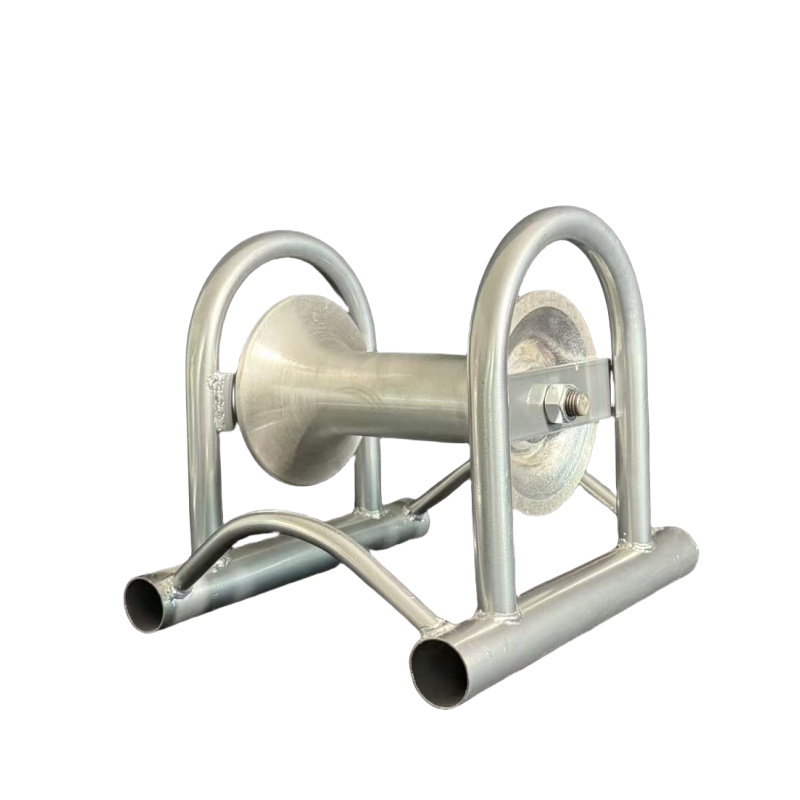
A heavy duty nylon wheel cable laying guide pulling roller is a mechanical support device used to guide and protect electrical cables during installation in trenches, ducts, and manholes.
Core Function
Its primary purposes are to:
Reduce pulling friction
Prevent cable damage
Maintain correct cable alignment
Control bend radius
Support heavy cable loads
Key Components
Nylon Wheel
The rotating wheel is made from high-strength engineering nylon, which provides durability and smooth cable contact.
Steel Frame
Fabricated from welded steel and often galvanized or powder coated for corrosion resistance.
Bearing System
Heavy-duty sealed bearings ensure smooth rotation under substantial loads.
Mounting Bracket or Base
Designed to provide stability and allow attachment to ducts, manholes, or trench edges.
Typical Load Capacity
Heavy duty cable rollers are available in capacities ranging from:
500 kg
1,000 kg
2,000 kg
3,000 kg
5,000 kg and above
The required capacity depends on cable size, weight, and pulling tension.
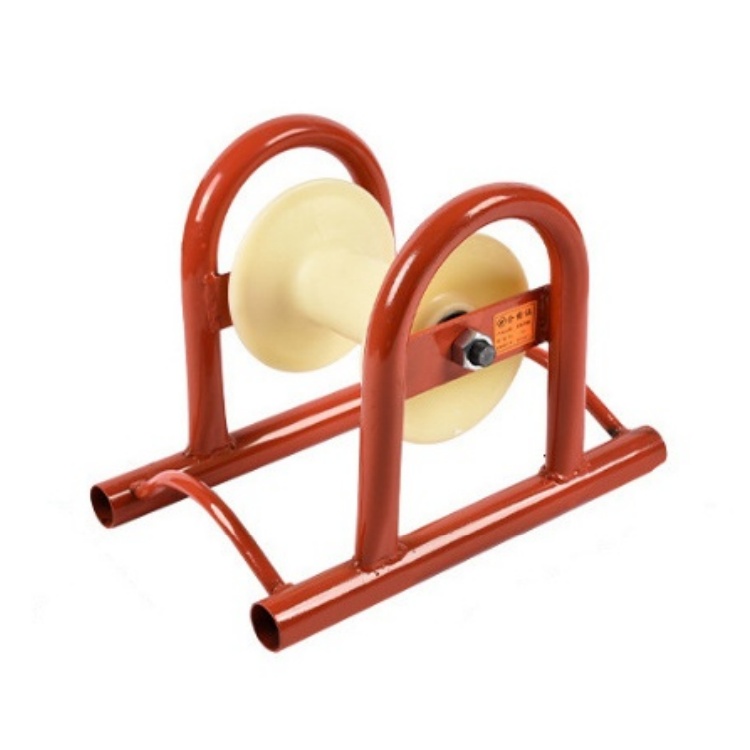
III. Types of Cable Rollers for Underground Installation
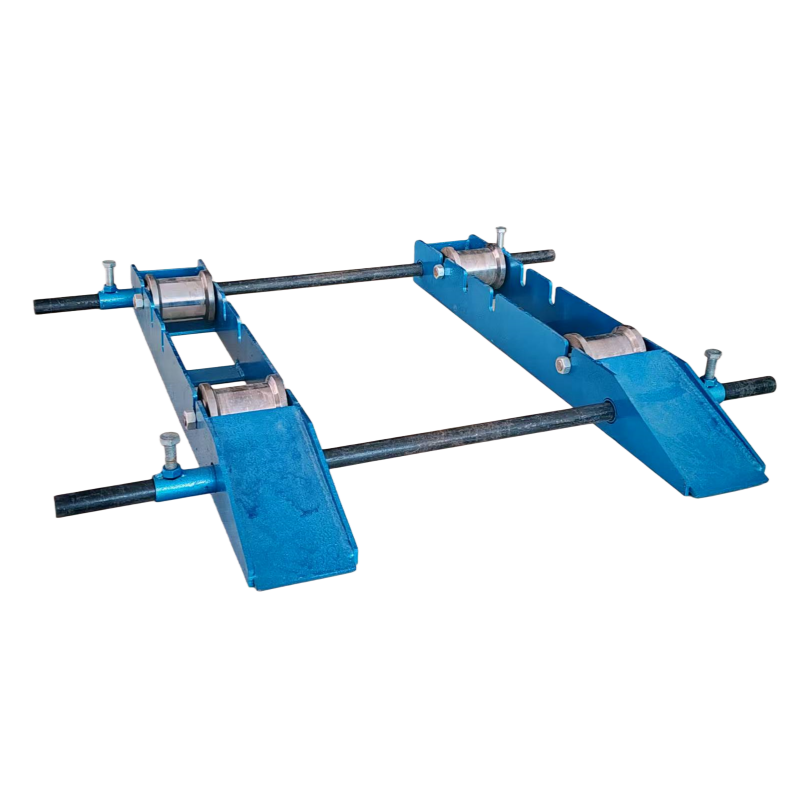
1. Straight Trench Rollers
Used in long, straight sections of trench to support cable at regular intervals.
Applications:
Utility trenches
Renewable energy projects
Industrial cable routes
2. Corner and Bend Rollers
Designed with angled wheel arrangements to guide cables around turns while preserving minimum bend radius.
Applications:
45° and 90° trench bends
Substation cable routing
Direction changes
3. Manhole Entry Rollers
Mounted at manhole openings to protect cables from concrete edge abrasion.
Applications:
Vault and chamber entries
Underground utility systems
4. Duct Feeding Rollers
Installed at conduit entrances to align cables and reduce friction during duct insertion.
Applications:
HDPE ducts
PVC conduits
Telecom and power installations
5. Single Pulley Block Rollers
Portable, simple rollers suitable for light to medium duty applications.
6. Multi-Wheel Guide Systems
Used for large-diameter or very heavy cables requiring enhanced support.
Comparison of Cable Roller Types
Roller Type Best Application Main Benefit
Straight Trench Roller Long trench runs Continuous support
Corner Roller Direction changes Protects bend radius
Manhole Entry Roller Vault openings Prevents edge abrasion
Duct Feeding Roller Conduit entrances Accurate alignment
Single Pulley Roller General use Portable and economical
Multi-Wheel System Large heavy cables Maximum support
IV. Why Nylon Wheels Are Preferred Over Steel or Rubber
Low Friction and Cable Protection
Nylon provides a smooth, non-metallic surface that reduces drag and minimizes jacket wear.
Chemical and UV Resistance
Engineering nylon withstands:
Oils
Greases
Moisture
Most industrial chemicals
Ultraviolet exposure
Noise Reduction and Lightweight Design
Compared with steel rollers, nylon wheels operate more quietly and are easier to transport and install.
Wide Temperature Tolerance
Typical operating range:
-40°C to +120°C
This makes nylon suitable for both cold climates and high-temperature environments.
V. How to Select the Right Cable Pulling Roller
Cable Diameter and Weight
Ensure wheel groove width and frame strength match the cable dimensions and total load.
Trench Depth and Routing Complexity
Long or complex routes may require:
Additional straight rollers
Corner rollers
Manhole guides
Duct Compatibility
Select entry rollers that fit the conduit size and maintain proper cable alignment.
Manhole Dimensions
Consider opening width, mounting options, and edge protection requirements.
Load Capacity and Safety Margin
Choose rollers with a rated capacity at least 25–50% higher than expected operating loads.
VI. Installation and Operational Best Practices
Roller Spacing
In most trench installations, rollers should be placed every 3 to 5 meters, depending on cable weight and terrain.
Corner Roller Placement
Install corner rollers precisely at bends to maintain manufacturer-recommended minimum bend radius.
Safety Protocols
Inspect rollers before use
Secure all rollers firmly
Keep personnel clear of tensioned cables
Monitor pulling tension continuously
Use appropriate PPE
Common Mistakes to Avoid
Using undersized rollers
Excessive spacing
Misaligned duct entry rollers
Ignoring worn bearings
Allowing cable contact with sharp edges
VII. Maintenance and Longevity Tips
Bearing Lubrication
Lubricate bearings according to usage frequency and environmental conditions, unless sealed maintenance-free bearings are used.
Nylon Wheel Inspection
Replace wheels showing:
Deep grooves
Cracks
Flat spots
Excessive wear
Frame Inspection
Check for:
Bent structures
Loose fasteners
Corrosion
Weld damage
Storage Recommendations
Store rollers in a clean, dry location away from prolonged direct sunlight and corrosive chemicals.
VIII. Future Trends: Smart Cable Rollers
New technologies are emerging that integrate:
Load sensors
Pull tension monitoring
Wireless data transmission
Predictive maintenance systems
These innovations help contractors optimize installations and reduce risk of cable damage.
IX. Conclusion
Heavy duty nylon wheel cable laying guide pulling rollers are essential tools for underground power cable installation. Their low-friction surfaces, high strength, and cable-friendly design improve productivity while protecting valuable cables.
When selecting a roller, contractors should evaluate:
Cable diameter and weight
Route complexity
Bend requirements
Environmental conditions
Required load capacity
Proper installation, routine inspection, and preventive maintenance ensure years of reliable performance and safer cable pulling operations.
Article Source
This article is adapted and expanded from the product concepts:
Heavy Duty Nylon Wheel Cable Laying Guide Pulling Roller for Underground Power Cable Installation
Cable Trench Guide Roller for Underground Power and Utility Cable Installation
Reference publication style inspired by Electrical Construction & Maintenance (EC&M) and its official website: EC&M Magazine