
 NEWS List
Ultimate Buyer's Guide to High Voltage Telescopic Measuring Poles: How to Choose the Right Model for Your Application
Introduction
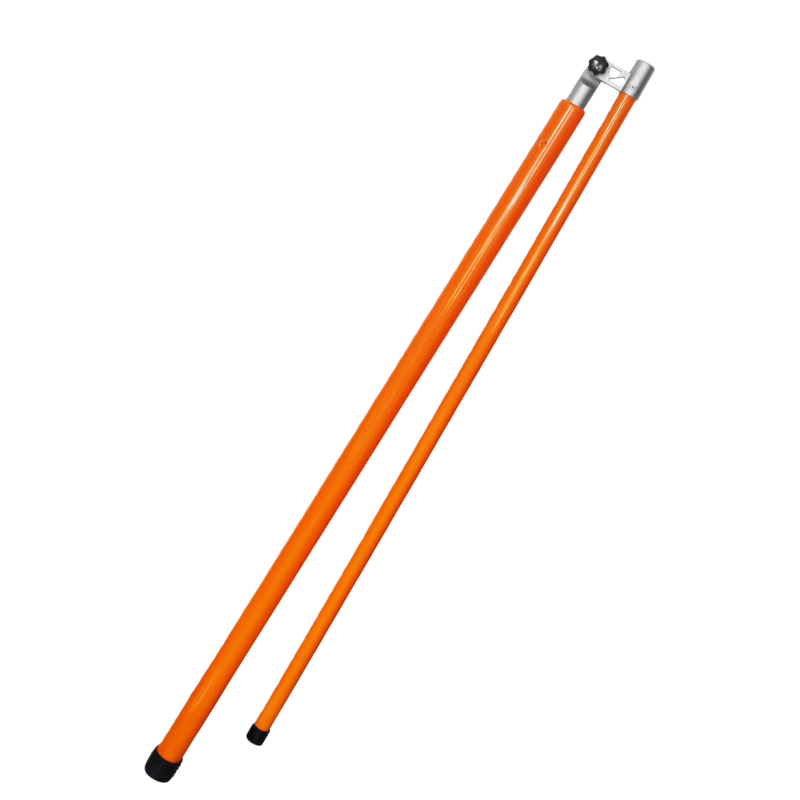
Selecting the right high voltage telescopic measuring pole is more than simply choosing a product with the longest reach. Utilities, electrical contractors, railway operators, industrial facilities, and infrastructure maintenance teams require equipment that delivers accurate measurements, reliable insulation performance, long-term durability, and compliance with recognized safety standards.
With numerous manufacturers and specifications available worldwide, buyers should evaluate products based on technical performance, application requirements, supplier capability, and long-term service support rather than price alone.
This guide explains the key factors to consider when purchasing an insulated telescopic measuring pole and provides practical advice for evaluating manufacturers and suppliers.
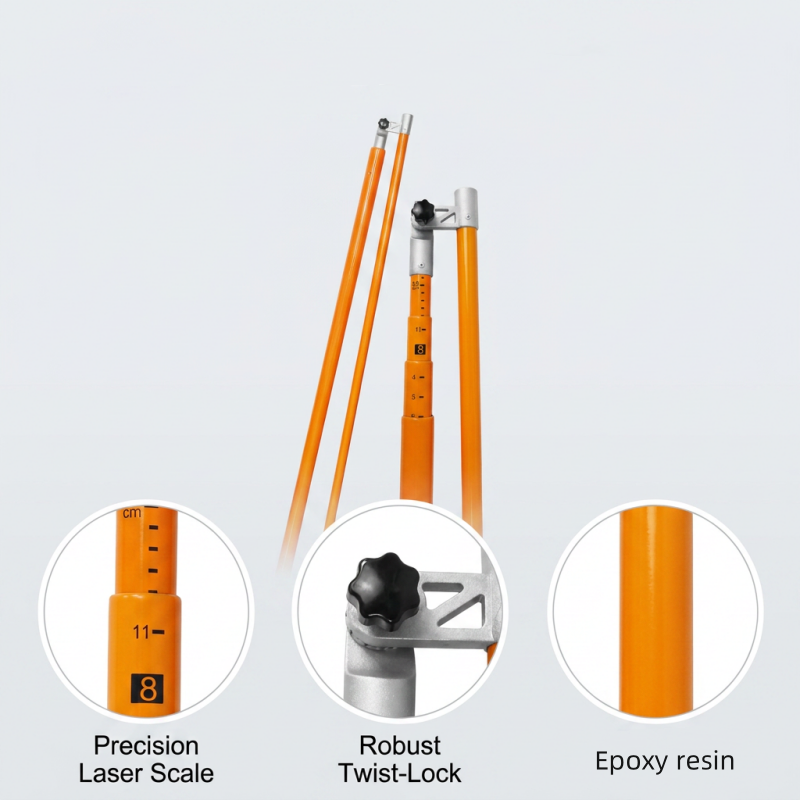
Key Selection Factors
A professional purchasing decision should consider the following technical aspects.
Working height
Voltage class
Insulation performance
Material quality
Structural design
Measurement accuracy
Product certification
Manufacturer capability
Maintenance requirements
Long-term operating cost
Understanding these factors helps buyers select equipment that meets operational requirements while reducing maintenance costs over its service life.
Length and Measuring Range
Select the Appropriate Length for Typical Working Heights
The required measuring range depends on the intended application. Purchasing a pole that is significantly longer than necessary may increase weight and reduce handling efficiency, while selecting a pole that is too short can limit its usefulness.
Typical recommendations include:
Extended Length Recommended Applications
8 m Distribution networks, warehouse inspections, truck and container height measurement, municipal maintenance
10 m Medium-voltage substations, utility inspections, railway facilities, industrial plants
12 m Transmission line maintenance, overhead equipment inspection, infrastructure projects
15 m High-voltage transmission systems, extra-high structures, specialized engineering applications
When selecting a model, consider not only the maximum measuring height but also transportation, storage, and operator convenience.
Insulation Class and Voltage Rating
Match the Pole to the Working Environment
The insulation class should correspond to the highest system voltage encountered during operation. Selecting equipment with an appropriate insulation rating helps support safe working practices when measurements are taken near energized equipment.
Typical voltage classifications include:
Voltage Level Typical Application
10 kV Distribution lines, local utility maintenance
35 kV Medium-voltage substations
110 kV Regional transmission networks
220 kV High-voltage transmission systems
500 kV Extra-high-voltage transmission projects
Insulation ratings should always be verified against the manufacturer's technical documentation and applicable national or utility standards. Operators must also follow minimum approach distances and other safety requirements established by local regulations.
Material and Weight
Fiberglass vs. Epoxy Resin Composite Construction
Modern telescopic measuring poles typically use Fiberglass Reinforced Polymer (FRP) combined with an epoxy resin matrix. These materials complement one another rather than serving as alternatives.
Fiberglass (FRP)
Benefits include:
High tensile strength
Excellent electrical insulation
Corrosion resistance
Low thermal conductivity
Lightweight construction
Long service life
Epoxy Resin
The epoxy resin binds and protects the fiberglass reinforcement, providing:
Improved structural integrity
Moisture resistance
Chemical resistance
Smooth insulated surface
Enhanced durability
High-quality products combine premium fiberglass with carefully controlled epoxy resin processing to achieve optimal mechanical strength and dielectric performance.
Balancing Strength and Portability
Weight directly affects operator comfort and productivity, particularly during extended inspections.
Typical product specifications include:
Extended Length Typical Weight
8 m 1.3–1.6 kg
10 m 1.6–2.0 kg
12 m 2.0–2.5 kg
15 m 2.5–3.0 kg
A lightweight design can reduce operator fatigue while maintaining sufficient rigidity for accurate measurements.
Measurement Accuracy and Scale Quality
Accurate measurement is one of the primary functions of a telescopic measuring pole.
When evaluating products, buyers should consider:
Scale readability
Permanent engraved or printed markings
UV resistance
Wear resistance
Moisture resistance
Long-term dimensional stability
Professional measuring poles commonly provide an accuracy of ±1 cm or better, depending on design and operating conditions.
Clear, durable graduations are particularly important for outdoor applications where dirt, sunlight, and repeated handling may affect visibility.
Structural Design and Locking Mechanism
A reliable locking system contributes to both measurement accuracy and operator safety.
Look for features such as:
Positive mechanical locking
Anti-slip design
Smooth telescopic extension
Wear-resistant locking components
Stable section alignment
Consistent operation after repeated use
A well-designed telescopic structure minimizes movement during measurement and helps maintain consistent results.
Brand and Supplier Evaluation
Choosing the right supplier is just as important as selecting the right product.
Experienced manufacturers often provide better technical support, more consistent quality, and greater production capacity than companies focused solely on trading activities.
Advantages of Factory Direct Supply
Purchasing directly from a manufacturer may provide several advantages, including:
Competitive Pricing
Factory-direct purchasing can reduce intermediary costs and improve price transparency.
Product Customization
Manufacturers may offer:
Custom measuring lengths
Company logos
Private-label (OEM) branding
Special scale markings
Customized accessories
Product packaging tailored to customer requirements
Better Quality Control
Manufacturers with in-house production can often provide greater oversight of:
Raw material selection
Composite manufacturing processes
Assembly
Electrical testing
Final inspection
Traceability
Verifying Supplier Qualifications
Before placing an order, buyers should request documentation demonstrating the supplier's quality management practices and product testing.
Important qualifications may include:
ISO 9001 Quality Management System certification
Product test reports
Electrical insulation test records
Mechanical performance test reports
Material specifications
Factory inspection documentation
Third-party certification where applicable
In addition, buyers may wish to evaluate:
Manufacturing experience
Production capacity
Export history
Customer references
Technical support capabilities
These factors can help assess a supplier's ability to deliver consistent quality over time.
Product Certifications
While certification requirements vary by market and application, reputable manufacturers often provide documentation demonstrating compliance with relevant international or customer-specified standards.
Common references include:
ISO 9001 Quality Management Systems
IEC standards related to live working equipment
ASTM standards for FRP live-line tools
Customer-specific utility approval programs (where applicable)
Certification should always be reviewed together with technical specifications and testing documentation.
After-Sales Service and Warranty
Long-term support is an important consideration when purchasing professional inspection equipment.
Buyers should confirm:
Warranty period
Technical support availability
Spare parts supply
Replacement component availability
Repair services
Product documentation
User manuals
Training materials
Reliable after-sales support can reduce equipment downtime and simplify long-term maintenance.
Spare Parts Availability
Certain components may require replacement during the product's service life.
Typical spare parts include:
Locking assemblies
End caps
Protective carrying cases
Replacement scale labels (if applicable)
Interchangeable accessories
Extension section components (where supported)
Ensuring spare parts availability helps extend product lifespan and reduces total ownership costs.
Buyer Evaluation Checklist
Before making a purchasing decision, consider the following questions:
Evaluation Item Key Consideration
Working Height Does the pole cover the required measurement range?
Voltage Rating Is the insulation suitable for the intended operating environment?
Material Is the pole manufactured from high-quality FRP and epoxy resin composites?
Weight Is it practical for daily field use?
Accuracy Are the scale markings clear, durable, and accurate?
Locking System Is the telescopic mechanism stable and reliable?
Certification Can the supplier provide relevant quality and testing documentation?
Manufacturing Does the supplier have proven production capability and quality control?
Warranty Is after-sales support available?
Spare Parts Can replacement components be obtained if needed?
Using a structured evaluation process helps buyers compare products objectively and select equipment that best matches their operational requirements.
Conclusion
Selecting a high-voltage telescopic measuring pole requires careful consideration of technical performance, application requirements, product quality, and supplier reliability. Factors such as measuring range, insulation class, composite materials, measurement accuracy, structural design, and after-sales support all contribute to the long-term value of the equipment.
Rather than focusing solely on purchase price, buyers should evaluate the total cost of ownership, including durability, maintenance, product support, and compliance with recognized quality standards. A well-chosen measuring pole can provide years of reliable service while supporting safe and efficient operations in power utilities, railway systems, industrial facilities, and infrastructure inspection projects.
References
This article is an original technical buying guide prepared with reference to internationally recognized standards and publicly available engineering and quality management resources, including:
1.International Electrotechnical Commission (IEC). IEC 60855 Series – Live Working – Insulating Foam-Filled Tubes and Solid Rods.
2.ASTM International. ASTM F711 – Standard Specification for Fiberglass-Reinforced Plastic (FRP) Rod and Tube Used in Live Line Tools.
3.ASTM International. ASTM F1826 – Standard Specification for Live Line and High Voltage Maintenance Tools.
4.ISO. ISO 9001:2015 – Quality Management Systems – Requirements.
5.IEEE (Institute of Electrical and Electronics Engineers). Technical publications on live-line maintenance equipment and electrical safety.
6.Occupational Safety and Health Administration (OSHA). 29 CFR 1910 Subpart S – Electrical Safety-Related Work Practices.
7.EPRI (Electric Power Research Institute). Guidance on utility maintenance tools, inspection practices, and live-line operations.
8.International Trade Centre (ITC). Resources on supplier evaluation, export quality management, and international procurement best practices.