
 NEWS List
Manhole Cable Guide Rollers: Protecting Cable Entry and Ensuring Safe Underground Utility Cable Installation
I. Introduction
The Critical Bottleneck of Manhole Cable Entry
During underground cable installation, the cable must transition from conduit or duct into a manhole before continuing to another section. This entry point creates a concentrated stress zone where cables encounter:
Abrasive concrete edges
Exposed rebar
Tight directional changes
High pulling tension
Without adequate support, the cable jacket may scrape against rough surfaces, resulting in permanent damage before the system is energized.
Cable Damage Statistics
Industry field reports indicate that up to 30% of underground cable failures can be traced to installation-related damage, much of which occurs at duct and manhole entry points. Even minor jacket abrasions can allow moisture ingress, leading to insulation degradation and premature failure.
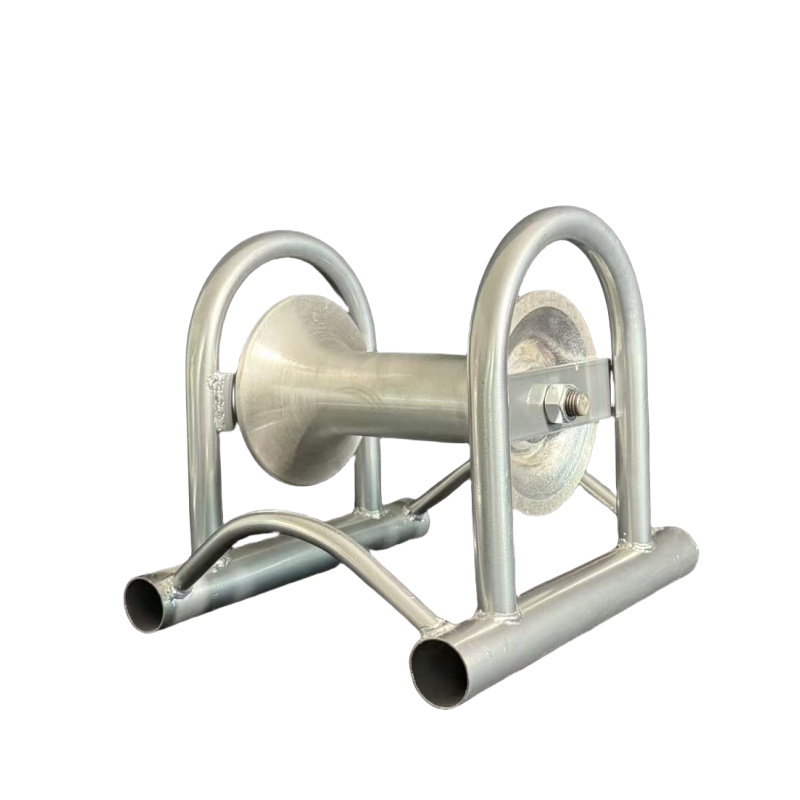
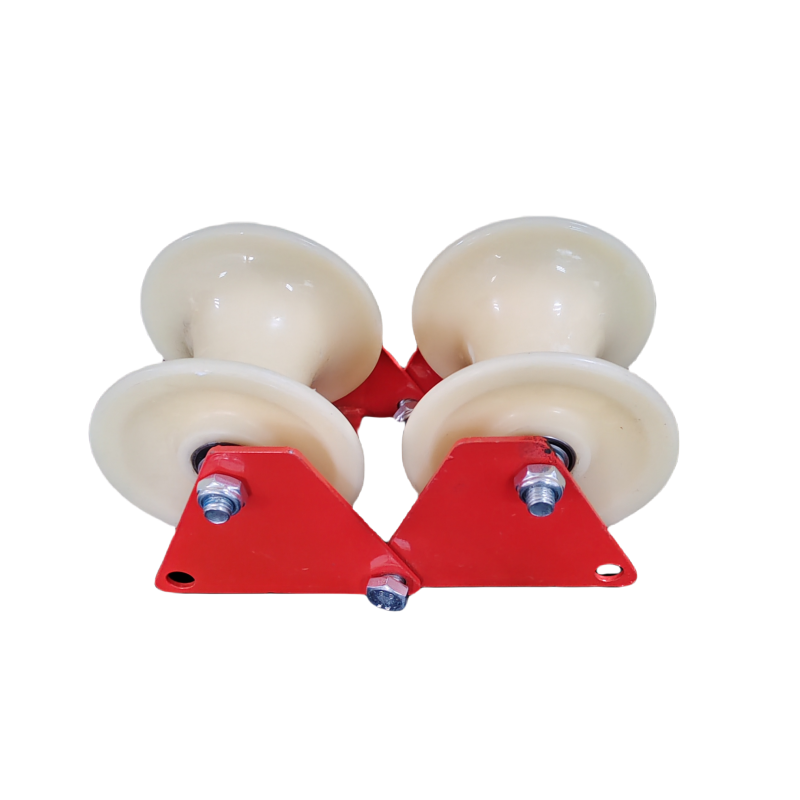
The Role of Manhole Cable Guide Rollers
Manhole cable rollers solve this problem by:
Creating a smooth rolling path
Maintaining correct bending radius
Reducing pulling friction
Preventing direct contact with concrete edges
Improving worker safety
II. Understanding Manhole Cable Entry Challenges
Sharp Concrete Edges and Rebar Exposure
Manhole openings often have unfinished concrete surfaces with rough corners and exposed reinforcement bars. Heavy cables pulled under tension can easily be cut or gouged by these edges.
Multiple Cable Entries in Crowded Manholes
Modern utility vaults may contain dozens of ducts and cables. Installers must route new cables through narrow spaces while avoiding contact with existing infrastructure.
Tight Working Spaces
Workers operate in confined environments with limited room to position pulling equipment, making compact and quick-install rollers essential.
Bending Stress During Transition
As the cable exits the duct and turns upward or sideways, it experiences significant bending stress. Excessive bending can deform insulation and conductors.
III. Types of Manhole Cable Guide Rollers
1. Edge-Mounted Roller Brackets
These clamp directly onto the manhole rim or concrete edge. They are ideal for most standard underground cable pulls.
Advantages:
Fast setup
Secure clamping
Minimal storage space
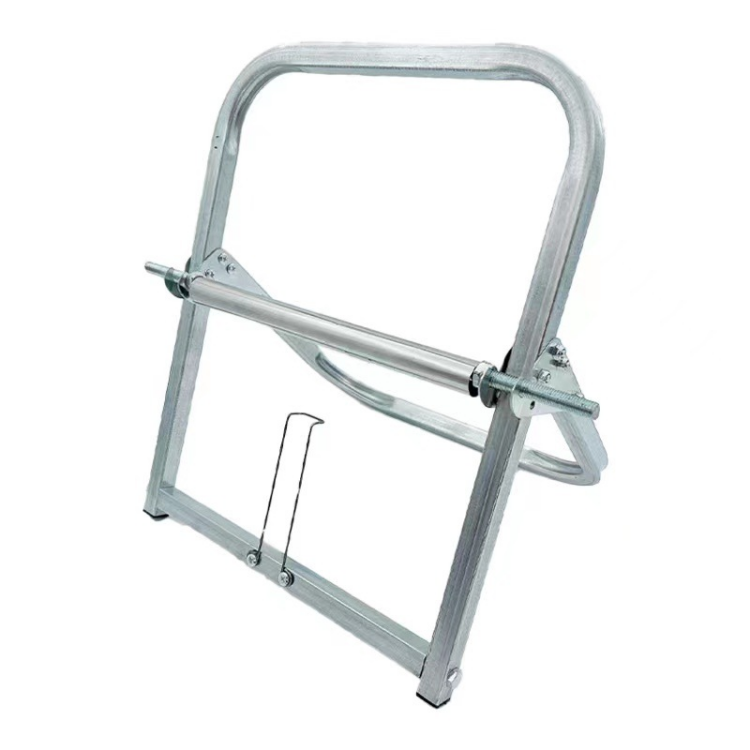
2. Freestanding Entry Roller Stands
Used when the manhole edge is unsuitable for clamping. Adjustable stands can be positioned at any angle.
3. Adjustable-Angle Roller Assemblies
These models allow installers to align the roller with ducts located at different heights and orientations.
4. Heavy Duty vs. Light Duty Rollers
Type Typical Capacity Application
Light Duty 200–500 kg Small telecom and fiber cables
Medium Duty 500–1,500 kg LV and MV power cables
Heavy Duty 1,500–5,000+ kg Utility transmission cables
IV. Key Features of Professional Manhole Cable Rollers
Nylon Wheel Material Selection
High-quality rollers use engineered nylon for superior strength and wear resistance.
PA6 Nylon
Economical
Good impact resistance
PA66 Nylon
Higher strength and heat resistance
Better dimensional stability
MC Nylon
Cast nylon with exceptional load-bearing capability
Preferred for utility-scale projects
Load Ratings
The roller must support both cable weight and pulling tension. Professional units are rated from several hundred kilograms to several tons.
Anti-Slip Mounting Clamps
Secure clamps prevent movement under dynamic loads.
Quick-Install Mechanisms
Modern designs allow installation within minutes, reducing labor time.
Duct Compatibility
Most models accommodate common conduit sizes from 100 mm to 200 mm.
V. Installation Step-by-Step Guide
1. Conduct Site Assessment
Inspect:
Manhole dimensions
Duct locations
Edge conditions
Cable specifications
2. Calculate Required Roller Quantity
Determine the number of rollers based on cable diameter, weight, and pulling direction.
3. Mount the Roller
Clamp the roller securely to the manhole wall, frame, or edge.
4. Align with the Duct Centerline
Ensure the wheel center matches the duct exit angle to avoid side loading.
5. Test Wheel Rotation
Spin the wheel to verify smooth bearing operation.
6. Begin Cable Pulling
Monitor cable movement and ensure the cable remains centered.
VI. Safety and Compliance Standards
Occupational Safety and Health Administration (OSHA)
OSHA requires proper protection and handling of materials in underground and confined-space operations to reduce hazards and prevent equipment-related injuries.
International Electrotechnical Commission (IEC)
IEC cable standards specify minimum bending radius requirements to protect conductor integrity.
National Fire Protection Association (NFPA 70 / NEC)
The National Electrical Code emphasizes maintaining cable insulation integrity and proper installation practices.
VII. Case Study: Large-Scale Utility Deployment
A regional utility contractor completed a project involving over 500 manholes for medium-voltage cable installation.
Before Using Guide Rollers
Cable jacket damage rate: 12%
Frequent rework
Increased labor costs
After Adopting Edge-Mounted Rollers
Damage rate reduced to under 1%
Pulling speed increased by 20%
Significant reduction in warranty risk
Return on Investment
Although professional rollers represented a modest upfront cost, savings from reduced cable replacement and labor produced payback within the first phase of the project.
VIII. Product Comparison: Top Manhole Roller Brands
Feature Premium Utility Roller Standard Contractor Roller Economy Roller
Wheel Material MC Nylon PA66 Nylon Basic Nylon
Bearing Type Sealed Heavy Duty Standard Ball Bearing Sleeve Bearing
Load Capacity 5,000 kg+ 1,500 kg 500 kg
Corrosion Protection Hot-Dip Galvanized Powder Coated Painted
Service Life 10+ years 5–8 years 1–3 years
Price vs. Durability Analysis
Premium rollers offer the lowest lifecycle cost in demanding utility environments, especially when handling large-diameter medium- and high-voltage cables.
IX. Conclusion and Recommendations
Manhole cable guide rollers are one of the most cost-effective tools for preventing cable damage during underground utility installations. By protecting cables from concrete edges, maintaining correct bending radius, and reducing pulling friction, these rollers significantly improve installation quality and long-term system reliability.
Recommended Applications
Power distribution networks
Medium-voltage and high-voltage cable projects
Telecommunications duct installations
Renewable energy infrastructure
Municipal utility systems
Buying Recommendations
Choose rollers with:
MC Nylon or PA66 wheels
Sealed bearings
Hot-dip galvanized frames
Secure anti-slip clamps
Adequate load ratings
For utility contractors and electrical installers, investing in professional-grade manhole cable rollers reduces failures, lowers costs, and ensures safer, more efficient underground cable installation.
Article Source
Adapted from the following product titles:
Manhole Cable Guide Roller for Underground Utility Cable Installation and Entry Protection
Cable Entry Roller with Nylon Wheel for Safe Cable Feeding into Ducts and Manholes
Suggested Publication Reference: T&D World Magazine
Original article compiled and expanded by ChatGPT based on industrial product specifications and underground cable installation best practices.