
 NEWS List
Maintenance and Longevity Strategies for Fiberglass Rodder
Introduction
Importance of Equipment Maintenance for Cost Control
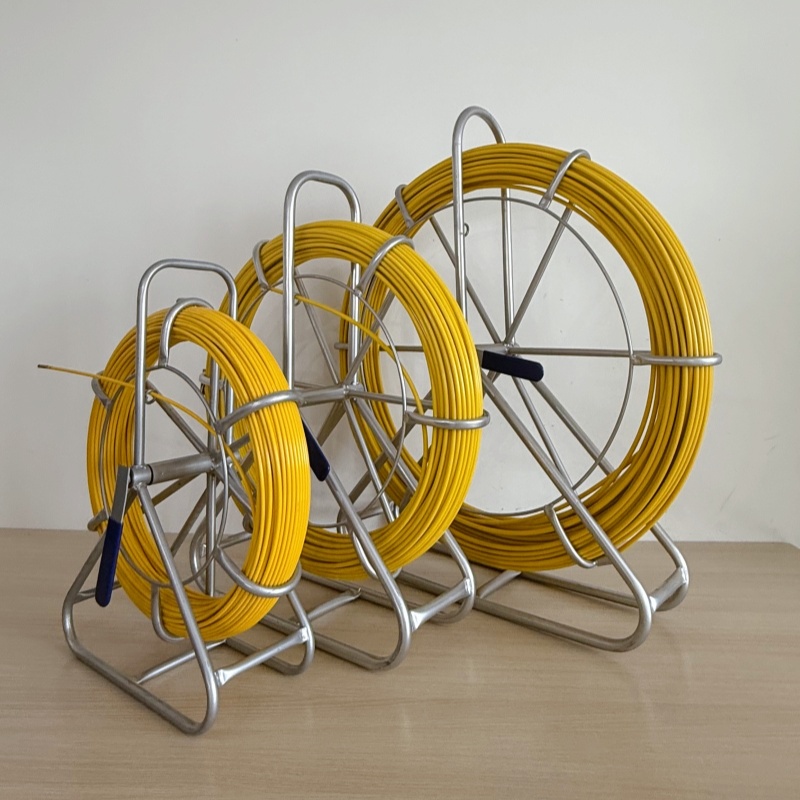
In cable installation and pipeline construction, fiberglass rodders are frequently exposed to harsh environments such as moisture, dust, and mechanical stress. While these tools are designed for durability, improper maintenance can significantly shorten their service life and increase operational costs.
Systematic maintenance is not only essential for ensuring tool reliability but also plays a key role in reducing replacement frequency, minimizing downtime, and improving overall project efficiency. A well-maintained fiberglass rodder can deliver consistent performance over extended periods, making it a cost-effective investment.
Routine Maintenance Checklist
Cleaning and Rust Prevention
After each use, the rodder should be thoroughly cleaned to remove dirt, debris, and moisture:
Wipe down the fiberglass rod and frame with a dry or slightly damp cloth
Remove mud or residue داخل the reel and guide system
Apply anti-rust treatment to metal components (e.g., frame, connectors)
Regular cleaning prevents corrosion and ensures smooth operation during subsequent use.
Lubrication System Inspection and Replacement
Proper lubrication is critical for maintaining the rodder’s mechanical efficiency:
Check bearings, rotating shafts, and reel systems regularly
Apply appropriate industrial lubricants to reduce friction
Replace worn or contaminated lubricants periodically
A well-maintained lubrication system reduces wear and extends the lifespan of moving parts.
Frame Structural Integrity Checks
The frame provides structural support and must be inspected routinely:
Check for cracks, deformation, or loose welds
Tighten bolts and fasteners
Ensure wheel stability and alignment (for wheeled models)
Maintaining frame integrity is essential for safe and efficient operation.
Periodic Deep Maintenance Processes
Strength Testing and Material Aging Assessment
Over time, fiberglass rods may experience reduced strength due to repeated stress and environmental exposure. Periodic testing should include:
Tensile strength evaluation
Flexibility and bending resistance checks
Visual inspection for micro-cracks or discoloration
These assessments help determine whether the rodder is still suitable for demanding tasks.
Component Replacement Standards and Cycles
Certain components are subject to wear and should be replaced at defined intervals:
Bearings and rotating parts: replace when noise or resistance increases
Connectors and pulling heads: replace when worn or deformed
Protective coatings: reapply or repair when damaged
Establishing replacement cycles prevents unexpected failures during operation.
Storage Environment Control (Temperature, Humidity, Dust Prevention)
Proper storage conditions significantly influence equipment longevity:
Store in a dry, well-ventilated area
Avoid prolonged exposure to direct sunlight or extreme temperatures
Protect from dust and corrosive substances
Controlled storage environments reduce material aging and maintain performance stability.
Common Fault Diagnosis and Repair Guide
Rod Bending Deformation Treatment
If the rod becomes bent or deformed:
Stop use immediately to prevent further damage
Attempt minor straightening if deformation is slight
Replace the rod if structural integrity is compromised
Severely deformed rods should not be reused due to safety risks.
Loose and Worn Connection Parts Repair
Loose or worn components can lead to operational instability:
Tighten or replace bolts, nuts, and connectors
Inspect coupling points for wear
Use compatible replacement parts to ensure proper fit
Regular inspection reduces the risk of sudden failure.
Surface Coating Peeling Remediation Measures
When the protective coating is damaged:
Clean the affected area thoroughly
Apply specialized coating repair materials
Avoid using the rodder in harsh conditions until repair is complete
Maintaining the coating ensures low friction performance and protects the internal fiberglass structure.
Optimization Strategies for Extending Service Life
Operator Training and Standard Compliance
Proper handling by trained operators is essential:
Follow standard operating procedures
Avoid excessive force or improper bending
Use the correct rodder type for each application
Skilled operation minimizes unnecessary wear and damage.
Regular Performance Testing and Data Logging
Establishing a maintenance record system helps track equipment condition:
Record usage frequency and working conditions
Monitor performance indicators (e.g., resistance, flexibility)
Schedule maintenance based on data trends
Data-driven maintenance improves decision-making and prolongs service life.
Conclusion: Impact of Systematic Maintenance on Full-Lifecycle Equipment Management
Effective maintenance strategies are critical for maximizing the value of fiberglass rodders throughout their lifecycle. By implementing routine inspections, periodic deep maintenance, and proper storage practices, users can significantly extend equipment lifespan while ensuring consistent performance.
Moreover, integrating operator training and data-driven maintenance approaches enhances overall efficiency and safety. In the long run, systematic maintenance not only reduces operational costs but also supports sustainable and reliable infrastructure development.
Source
This article is compiled based on:
Maintenance guidelines from fiberglass rodder manufacturers
Industrial equipment lifecycle management standards
Field maintenance practices in telecommunications and construction industries
Technical documentation on FRP material durability and performance